
Custom Clothing Manufacturers Built for Premium Brands
Inniss Pearl Group is a custom clothing manufacturer built for brands that care about how a garment is made, not just how fast it can ship. We work with founders, designers, and buying teams who want a custom apparel manufacturer that treats pattern accuracy, fabric integrity, and production transparency as the actual product.
This page covers the four capabilities that sit behind almost everything we produce: pattern making, pattern grading, pattern digitizing, and supply chain support. Get them right, and a collection fits consistently, ships on schedule, and holds up through repeat production.
We're headquartered in Vancouver, BC, with real production relationships and client work in Los Angeles and New York. We serve brands across the United States, and our LA and NY ties let us coordinate cutting, sewing, and logistics close to where many of our clients are based.

Vancouver
Manufacturing
Los Angeles — New York
Why Brands Choose Inniss Pearl Group
A lot of custom clothing manufacturers compete on the same two numbers: lowest minimum order quantity and lowest unit price. That race pushes quality, fit, and fabric integrity to the bottom of the list. Inniss Pearl doesn't play that game.
We build for brands that want design intent to survive contact with real production. That means accurate patterns, properly sourced fabric, and a manufacturing partner who can tell you exactly who is cutting and sewing your garments and why. We don't hide the production layer behind a sales team.
We work across men's, women's, and children's categories, in both wovens and knits. Our pattern team works in Gerber, Lectra, AAMA, and Optitex, the industry-standard software most professional pattern rooms rely on.
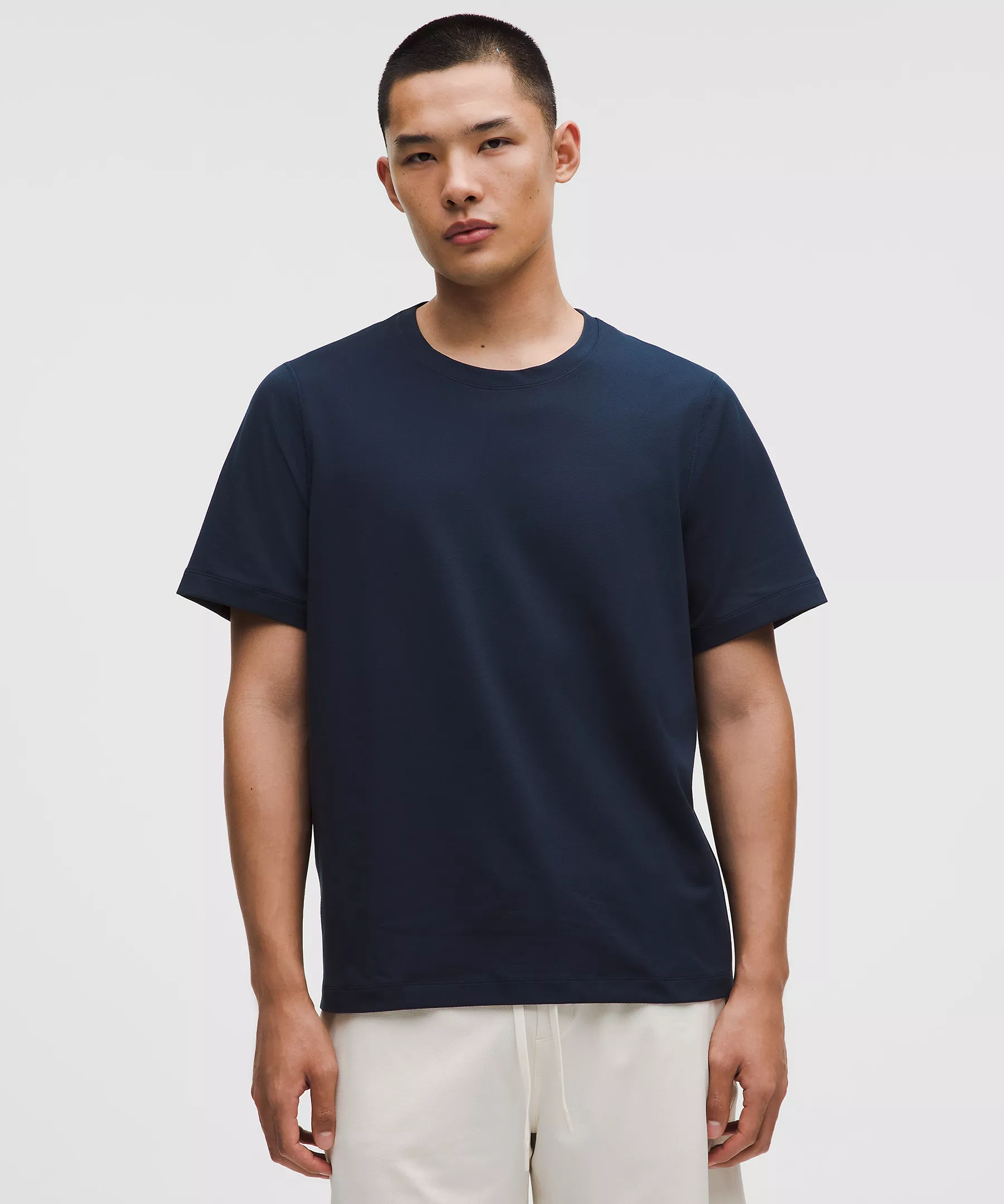
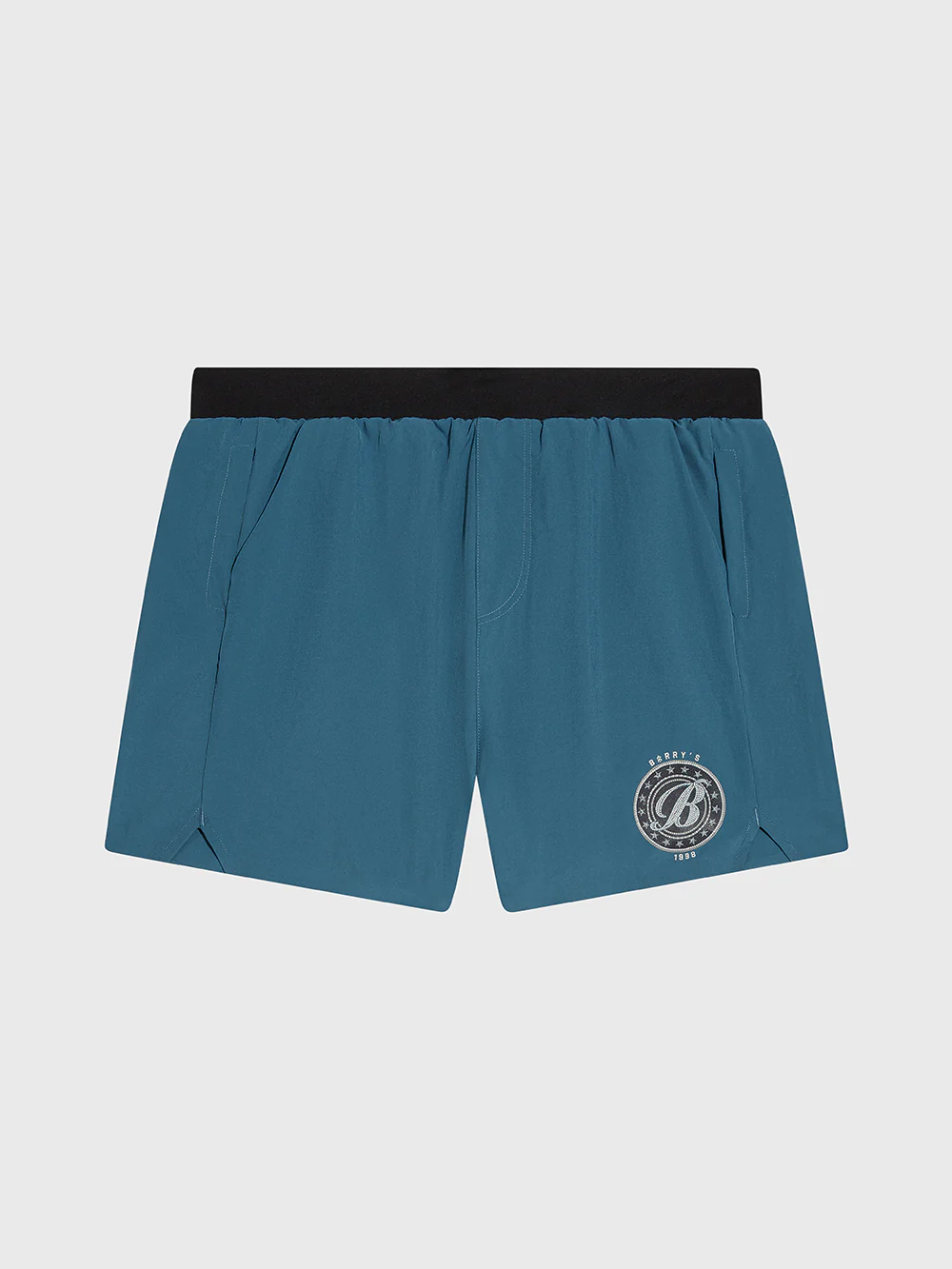
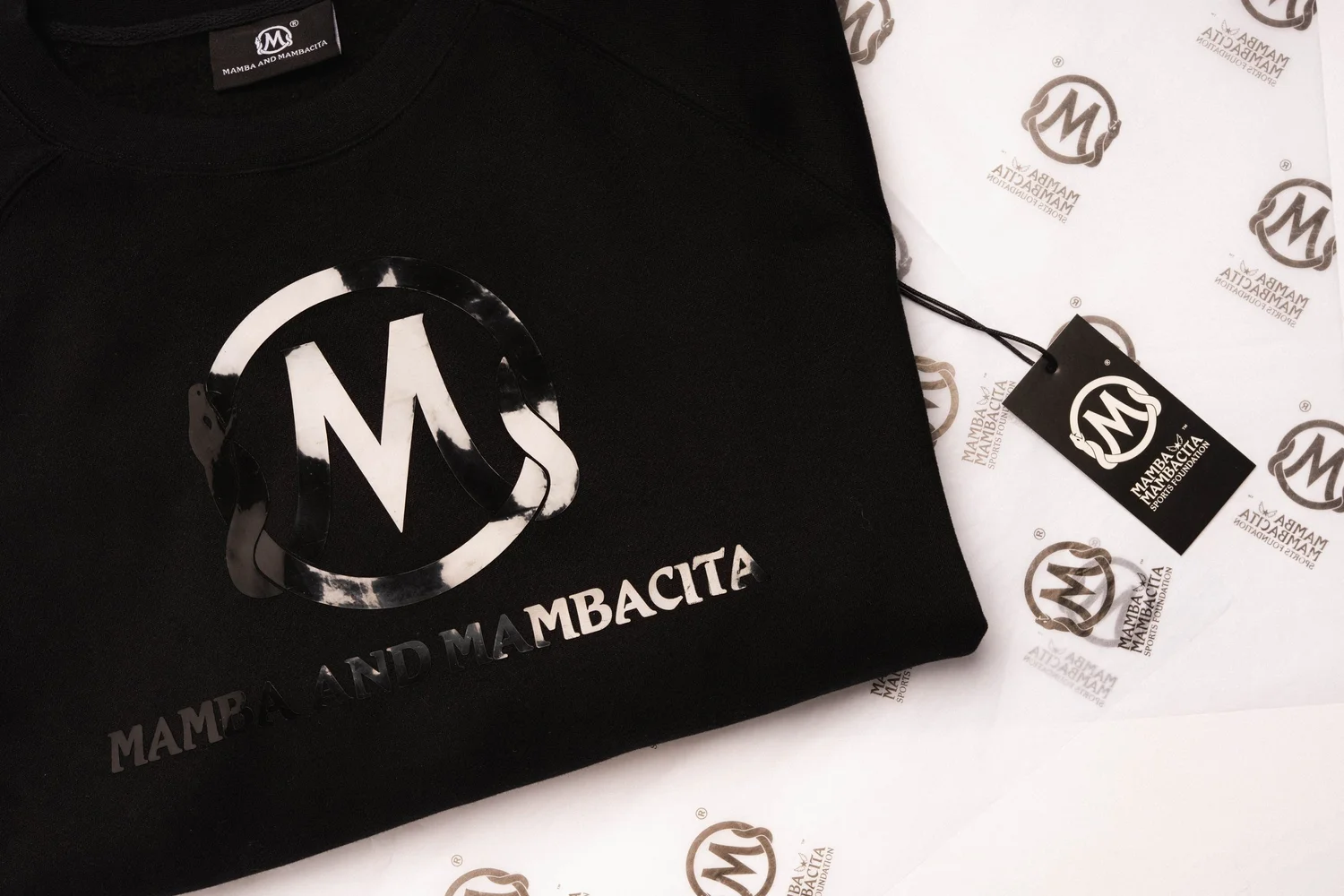
Inniss Pearl has produced for organizations including Mailchimp, New York Fashion Week, IMG, Endeavor, Mejuri, LayerZero, BC Hydro, Barry's Bootcamp, and the Cita Foundation. These relationships reflect the kind of brand we're built for: one planning a first collection with an eye on a fifth, not a one-off run.
Pattern Making
A pattern is the technical translation of a design idea into pieces that can actually be cut and sewn. Every seam, dart, curve, and grainline gets defined here. Skip this step, or rush it, and no amount of good fabric or careful sewing will save the fit.
Our pattern team builds digital patterns using Gerber, Lectra, AAMA, and Optitex, the same tools used across professional pattern rooms in the US and abroad. We work from your sketch, tech pack, or reference garment to develop a first pattern, then refine it through fit samples until the proportions, ease, and drape match your intent.
We produce both flat digital patterns and printed or plotted patterns, depending on what your cutting process needs. Category depth matters too: a men's woven shirt pattern behaves nothing like a children's knit legging pattern.
If you already have a tech pack, our tech pack resource walks through what a strong one includes. If you're starting from a design concept instead, our design and development team can take you from sketch to a build-ready tech pack first.
Pattern Grading
Pattern grading is the process of scaling a base pattern up and down across a full size run, from the smallest size to the largest, while keeping proportions consistent. A shirt that fits perfectly in a medium but bunches oddly at the shoulder in a large usually points to a grading problem, not a sewing one.
Grading can run on a numeric scale, sizes 2 through 20, for example, or an alphanumeric scale, S through XL. Each system uses a grade rule table, a set of measurements that defines exactly how much each pattern piece grows or shrinks between sizes.
Our team checks graded patterns against fit samples at multiple sizes before anything moves to bulk cutting. This catches grading errors, like a collar that grows too fast relative to the shoulder seam, before they turn into a batch of garments that fit wrong across an entire size range.
Digital Grading Software & Standards
We grade using CAD-based systems aligned with recognized industry sizing and measurement practices, including standards published by ASTM International for body measurement tables used across the apparel industry. Working from a shared measurement standard, rather than an in-house guess, is part of why our graded patterns hold up across different contractors and production runs.
Pattern Digitizing
Pattern digitizing is the process of converting a paper pattern or an old hand-drafted block into a clean digital file. Plenty of brands, especially ones inheriting patterns from a previous manufacturer or a founder's early hand-drafted samples, show up with paper only.
One founder we worked with brought in a set of patterns drawn on butcher paper, some of them years old and softened at the folds from handling. The shapes were right, but the paper couldn't survive another round of tracing and cutting without losing accuracy. Digitizing turned that fragile paper into a stable digital file our whole team could work from, and grade, without re-measuring by hand every time.
Digital files we produce are compatible across Gerber, Lectra, and Optitex, so your patterns aren't locked to a single software ecosystem or a single contractor. That flexibility matters if you ever need to move production or bring in a second cut-and-sew partner down the line.
[ Supply Chain ]
Supply Chain Support
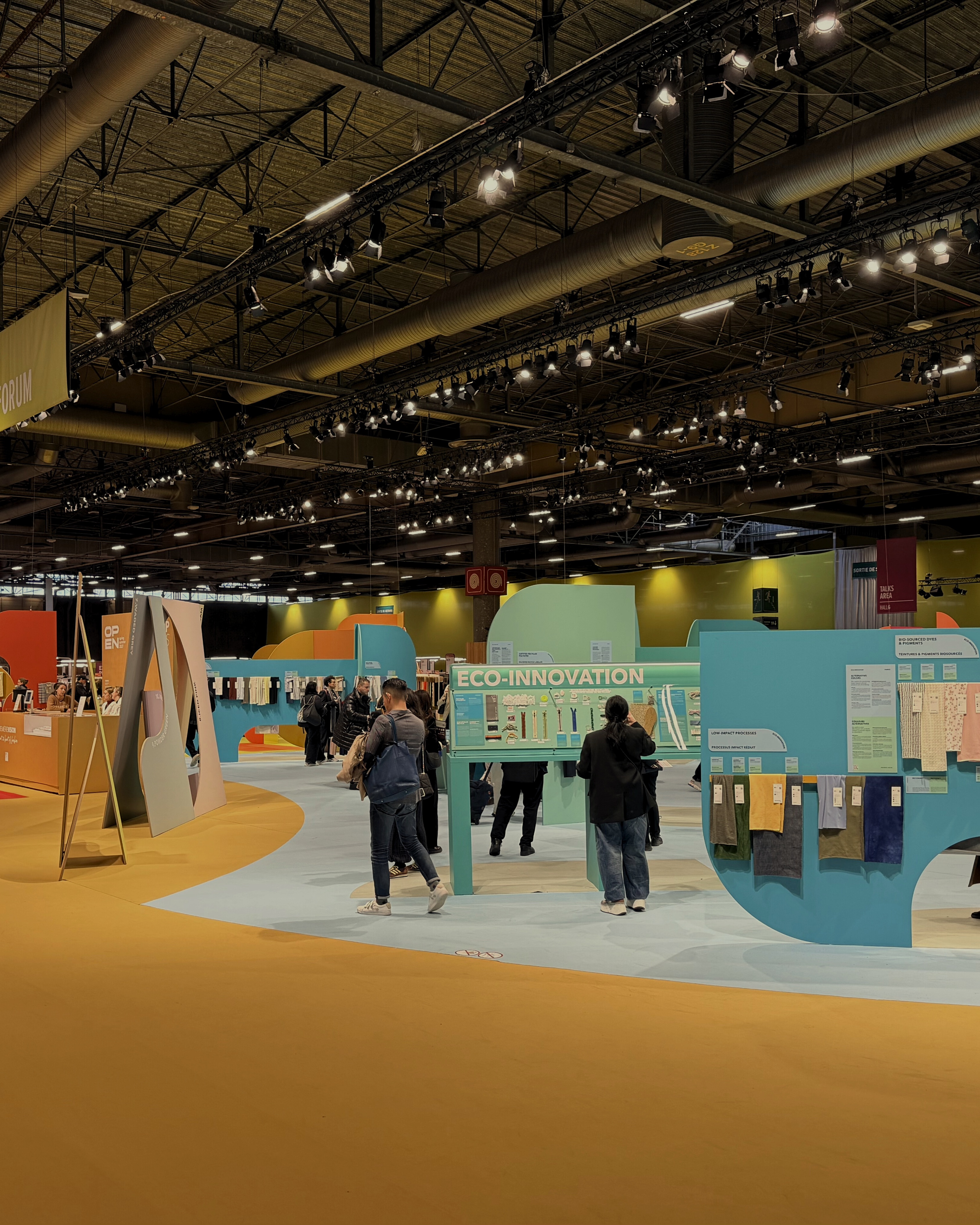
Pattern work only matters if the fabric, trim, and production coordination behind it hold up. Our supply chain support covers the operational layer between a finished pattern and a shipped garment.
Inniss Pearl acts as the coordination layer sitting between your brand and every contractor, mill, and freight partner involved in getting a garment made. You get one point of contact instead of five vendor relationships to manage yourself.
Fabric & Trim Ordering
We source fabric and trims matched to your design intent and budget, working with our sourcing team to lock in the right hand feel, weight, and performance.
Quality Control Checklists
We check quality at three points: fabric receipt, mid-production, and pre-shipment. Catching a problem at fabric receipt costs a phone call. Catching it after a full run costs a season.
CMT & Vendor Checklists
When we coordinate with cut-make-trim contractors, we work from a checklist covering fabric consumption, construction accuracy, trim placement, and finishing standards.
Shipping & Logistics
We coordinate local shipping within the US and international freight where needed, with logistics support tied to our Los Angeles and New York relationships.

[ Production Models ]
CMT, Full-Package, and OEM Production
Brands evaluating a custom apparel manufacturer run into three production models fairly quickly. Here's how each applies to what Inniss Pearl actually does.
Which model fits depends on your stage. A brand launching its first collection usually benefits from full-package support. A brand with its own design and sourcing team might only need CMT capacity.
CMT (Cut, Make, Trim)
The contractor only cuts, sews, and trims the garment. The brand supplies the fabric, trims, and finished pattern. We support CMT relationships as part of our supply chain and contractor coordination work.
Full-Package Production
The manufacturer handles the full process: pattern, sourcing, cutting, sewing, and finishing, delivered as a finished product. This is closer to how Inniss Pearl works with most brands.
OEM Manufacturing
The manufacturer produces a garment to the brand's specifications, often using existing patterns or block designs, for the brand to sell under its own label.
How It Works: From Concept to Production
Fabric and trim selected in line with recognized textile safety standards give brands another layer of confidence in what's going into a finished garment.
01
Discovery & tech pack review.
If you don't have a tech pack yet, our design and development team builds one with you.
02
Pattern, digitizing & grading.
Our pattern team builds or digitizes your pattern, then grades it across your full size run.
03
Sourcing & contractor coordination.
We source fabric and trims and line up the right cutting and sewing contractor for your volume.
04
Sampling, QC & approval.
We build fit samples, run them through quality checks, and get your sign-off.
05
Bulk production & shipping.
We move into bulk production, run final QC, and coordinate shipping to your fulfillment partner.
FAQs
What is a custom clothing manufacturer and how is it different from a private label company?
A custom clothing manufacturer builds garments to a brand's own specifications, whether that's an original design, a custom pattern, or a specific fabric and fit. A private label company typically sells an existing product that gets rebranded with a different label. Inniss Pearl works as a custom clothing manufacturer first, though we also support private label projects.
How do I choose the right custom apparel manufacturer for my brand?
Look at how transparent the manufacturer is about who actually produces the garment, what quality control checks they run, and whether they have real pattern and grading expertise on staff. Ask about their categories of experience, their software, and how they handle fabric sourcing.
What's the difference between CMT manufacturing, full-package production, and OEM manufacturing?
CMT means the contractor only cuts, sews, and trims, using fabric and patterns the brand supplies. Full-package production covers the whole process, from pattern to finished garment. OEM manufacturing produces goods to a brand's specifications, often adapting an existing base pattern.
What is pattern grading and why does it matter for consistent sizing across a size run?
Pattern grading scales a base pattern up and down across a size run while keeping proportions consistent. Without accurate grading, a garment might fit well in one size and awkwardly in every other size around it.
What is pattern digitizing, and do I need it if I only have paper patterns?
Pattern digitizing converts a paper pattern or hand-drafted block into a clean digital file that can be graded and shared with contractors. If you only have paper patterns, digitizing is worth doing before you scale production.
What is a typical minimum order quantity (MOQ) for custom apparel manufacturing?
MOQ varies by product type, fabric, construction complexity, and which production model you're using. We walk through MOQ specifics once we understand your product and volume goals.
Do you manufacture domestically in the USA, and what are your ties to Los Angeles and New York production?
Inniss Pearl Group is headquartered in Vancouver, BC, with real production relationships and client work in Los Angeles and New York. That gives US-based brands access to domestic-adjacent production coordination and logistics support.
What pattern software do you use, and are you certified in Gerber, Lectra, or Optitex?
We use Gerber, Lectra, AAMA, and Optitex, the industry-standard tools most professional pattern rooms rely on. We don't claim formal certifications or corporate partnerships with these software providers.
What quality control and CMT checklists do you use to vet contractors and vendors?
We run checks at fabric receipt, during production, and before final shipment, covering construction accuracy, stitch quality, trim placement, and finishing standards. This keeps quality consistent across every contractor in your supply chain.
Ready to Talk Production?
Custom clothing manufacturing takes more than a low MOQ and a fast quote. It takes pattern accuracy, honest contractor relationships, and quality control that catches problems before they reach your customer.
Explore our work to see the range of brands we've supported, learn more about our team, or get in touch to schedule a call. You can also reach us directly at info@innisspearlgroup.com, or ju@innisspearlgroup.com for sales questions and branding@innisspearlgroup.com for branding projects.