
Fabric Guide: How to Choose the Right Fabric
A fabric choice sits behind almost everything that goes wrong with a garment. Returns pile up because a shirt felt cheap out of the box. Customers complain about a rough hand-feel or a color that faded after two washes. A brand marketed as premium doesn't feel premium once someone holds the piece. Most of these problems trace back to one decision made months earlier: which fabric to use.
This fabric guide is a practical, manufacturer's-eye overview for apparel brand founders and designers evaluating materials for a new line. Inniss Pearl Group is a design and manufacturing team based in Vancouver, with production ties in Los Angeles and New York. We aren't a fabric reseller or a print-on-demand platform. Fabric decisions come up on every project we run, from first sketches through cut-and-sew production.
Vancouver
Fabric Guide
Los Angeles — New York
Why Fabric Choice Matters More Than Most Brands Realize
Hand-feel is often the first honest signal of quality a customer gets. Before anyone reads a hangtag or checks a price, they touch the fabric. A rough or flimsy hand-feel undercuts a brand story faster than any marketing can fix.
Durability matters just as much, even if it shows up later. A shirt that pills after three washes or a jacket that loses its shape costs a brand in returns, refunds, and lost trust. Fabric also affects how easily a garment can be produced. Some fabrics fray at the cut edge, shift under a sewing machine, or shrink unevenly in the wash.
We've seen a fabric that looked ideal on a spec sheet run into trouble once it hit a real production line, puckering along the seams during sewing. A swatch test caught the problem before a full order went out, which is exactly why sampling exists in the first place. Sustainability and compliance round out the list. Buyers and retail partners increasingly ask about fiber origin, dye processes, and certifications.
How Fabrics Are Classified
Every fabric starts as a fiber, and fibers fall into three broad groups. Natural fibers come from plants or animals: cotton and linen breathe well and take dye easily, while wool and cashmere trap warmth and carry a soft, luxurious feel.
Synthetic fibers are made from petroleum-derived materials. Polyester, elastane, and polyamide fall into this group. They tend to resist wrinkles, dry quickly, and hold their shape, though they don't always breathe as well as natural fibers.
Semi-synthetic fibers, also called regenerated cellulosic fibers, sit between the two. Modal and lyocell start as natural plant cellulose, usually from wood pulp, then go through a manufacturing process to become fiber. The result often combines the softness of a natural fiber with the consistency of a synthetic one.
Woven vs. Knit Construction
Fiber type is half the story. How that fiber gets turned into fabric matters just as much.
Woven fabric is made by crossing two sets of yarns at right angles. It tends to hold its structure, wrinkle less predictably, and stretch very little unless elastane is added. Dress shirts, denim, and structured jackets are usually woven.
Knit fabric is made by looping yarn together, the way a sweater is knitted by hand. Knits stretch more, drape more casually, and feel softer against the skin. T-shirts, sweatshirts, and activewear are usually knit. A fitted t-shirt needs knit stretch. A tailored blazer needs woven structure. Getting this wrong at the design stage creates fit problems that pattern adjustments alone can't fully fix.
Understanding Fabric Weight (GSM)
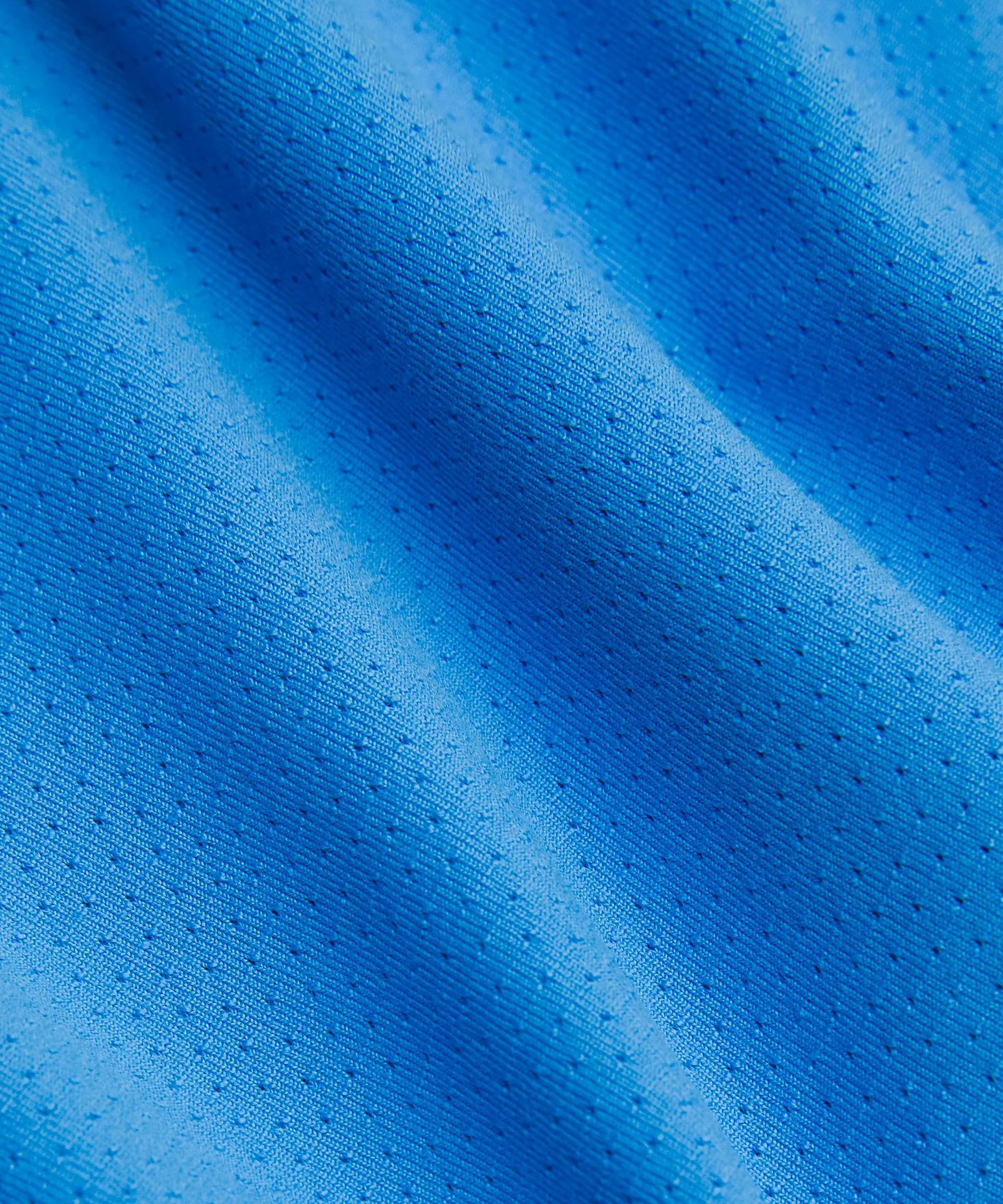
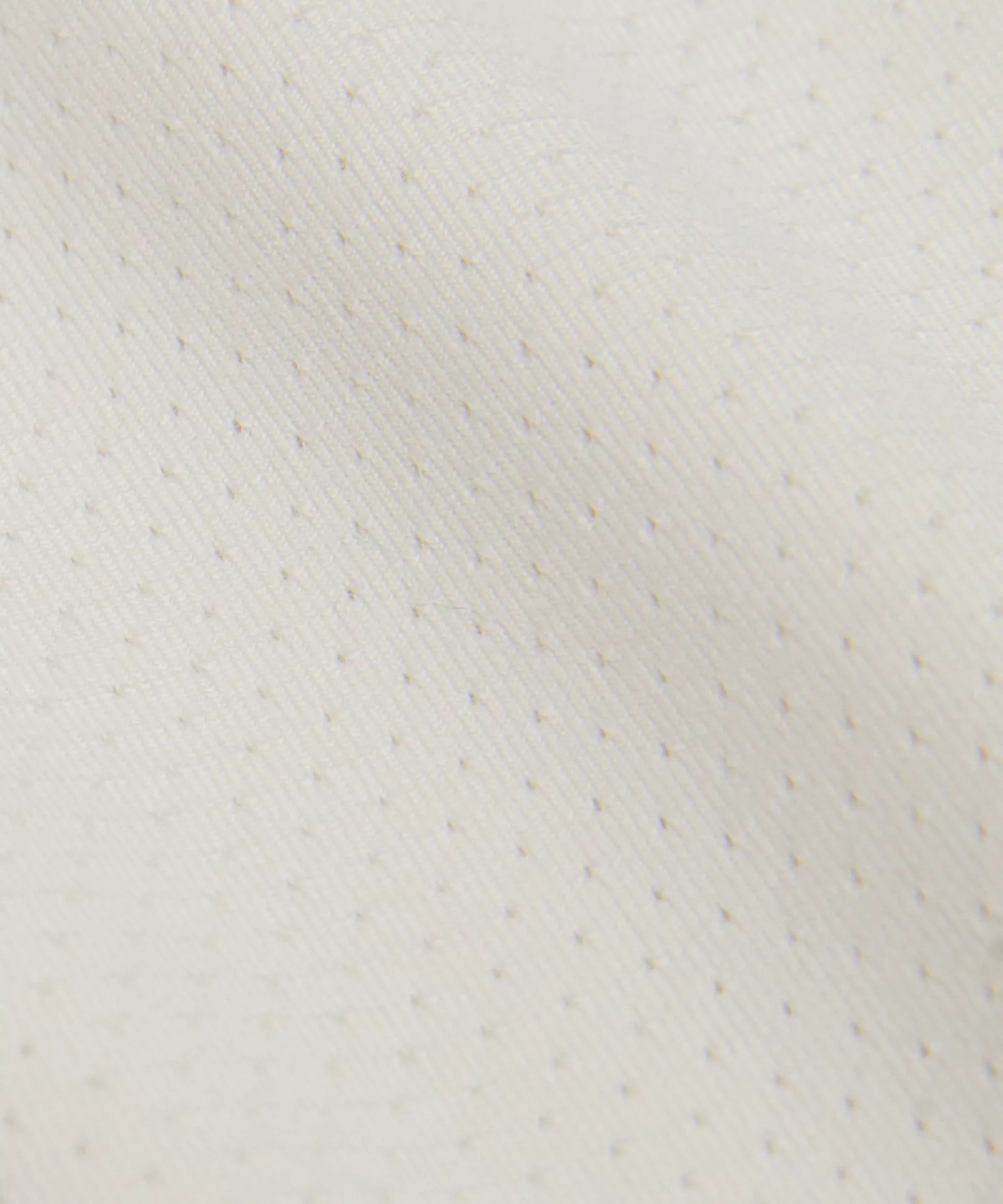
GSM stands for grams per square meter. It measures how much a square meter of fabric weighs, which tells you how heavy or light that fabric will feel.
Lightweight fabrics, like a summer t-shirt, usually run around 120 to 180 GSM. Heavier knits, sweatshirts, and fleece tend to fall between 200 and 280 GSM. Structured wovens, like heavier denim or outerwear fabric, often sit at 300 GSM or above.
GSM alone doesn't tell the full story of quality. Two fabrics at the same GSM can feel completely different depending on yarn thickness and how tightly the fabric is woven or knit. When you're reviewing a spec sheet, GSM is a starting point for a conversation with a supplier, not the final word on whether a fabric is right for a garment.
[ Know Your Materials ]
The 9 Fabrics Every Apparel Brand Should Know
These nine fabrics show up across a wide range of apparel categories, from everyday basics to technical outerwear. Each one has its own properties, best uses, and tradeoffs worth understanding before committing to a bulk order.
We'll cover each of these fabric types in more depth soon with dedicated guides. If any production terms below are new to you, our industry glossary covers common definitions.
Modal
A semi-synthetic cellulosic fiber made from beech tree pulp. Soft, breathable, and drapes well. Used most often for basics like t-shirts, underwear, and loungewear.
Cashmere
The soft undercoat of cashmere goats. Lightweight yet warm, with a soft, fluid drape. Shows up most in sweaters, scarves, and outerwear linings.
Lyocell
Best known as Tencel. Made through a closed-loop process. Smooth hand, breathes well, stays strong when wet. Used for shirting, dresses, and premium basics.
Chambray
A lightweight, plain-weave cotton fabric, often confused with denim. Soft hand, breathes well, carries a casual, textured look.
Pima Cotton
An extra-long-staple cotton. Exceptionally soft and strong, resists pilling, and holds color well over repeated washes.
Denim
A durable cotton twill fabric, traditionally dyed with indigo. Sturdy, and ages and fades in a distinctive way many customers value.
Elastane
Known as Spandex or Lycra. Almost never used alone; blended into other fabrics to add stretch and recovery, even at 2 to 5 percent.
Polyamide
Better known as nylon. Strong, resists abrasion, dries quickly, smooth hand-feel. Performs well in activewear, swimwear, and outerwear.
Neoprene
A synthetic rubber, not a woven or knit textile fiber. Holds its shape without lining, insulates, and resists water.

How to Choose the Right Fabric for Your Product Line
Fabric properties matter less on their own than they do against your specific product and customer. Start with comfort and end use: a legging needs stretch and recovery, a tailored jacket needs structure.
Durability and care come next. A fabric that needs dry cleaning fits a different customer than one meant for daily wear and machine washing. Cost and minimum order quantities shape what's realistic for a first production run. Premium fibers like cashmere or pima cotton raise the cost per unit, and some mills set higher minimums for less common fabrics.
Movement and fit depend heavily on stretch content. Sustainability priorities are worth setting early, not after a fabric is already chosen. Finally, weigh brand positioning: fabric is one of the clearest signals a brand sends about where it sits in the market. For founders working through a full brand plan, our guide on how to start a clothing brand covers positioning decisions that fabric choice should support.
From Fabric to Finished Garment: Where Sourcing Fits Into Manufacturing
Reading about fabric properties is a useful starting point. Working with a team that sources and cuts that fabric is a different thing.
At Inniss Pearl, fabric decisions show up early, in the tech pack that specifies fiber content, GSM, and construction for every piece in a line. From there, sourcing and mill relationships determine what's realistically available, at what minimum order quantity, and at what lead time.
Sampling and fit testing come next, before any bulk cutting starts. Our design and development team works through fabric decisions alongside pattern making and grading, so fit and fabric get resolved together. Once a fabric and pattern are locked, our manufacturing team carries the line into cut-and-sew production.
FAQs
What is the best fabric for a new clothing line?
There's no single best fabric for every brand. The right choice depends on the garment type, your customer's expectations, and your price point. A t-shirt line might lean on combed cotton or a cotton-modal blend, while an activewear line needs polyamide or elastane blends.
What's the difference between natural, synthetic, and semi-synthetic fabric?
Natural fibers come from plants or animals, like cotton, linen, wool, and cashmere. Synthetic fibers are made from petroleum-derived materials, like polyester and elastane. Semi-synthetic fibers, like modal and lyocell, start as natural plant cellulose but go through a manufacturing process to become fiber.
What does GSM mean in fabric, and what GSM should I use?
GSM stands for grams per square meter, and it measures fabric weight. Lightweight tees usually run 120 to 180 GSM. Heavier knits and sweatshirts run 200 to 280 GSM. Structured wovens often run 300 GSM or higher.
What is the most sustainable fabric for apparel brands?
No fabric is universally the most sustainable choice, since impact depends on farming or production methods, dyeing, and end use. Lyocell is often cited for its closed-loop production process. Organic cotton, certified under standards like GOTS, is another common choice.
What's the difference between chambray and denim?
Both are cotton fabrics, and both are often blue, but the weave is different. Chambray uses a plain weave and feels lighter and softer. Denim uses a twill weave, which makes it heavier and more durable.
Is modal or lyocell better for clothing?
Neither wins across the board. Modal has a softer, more fluid drape and works well for next-to-skin basics. Lyocell holds its strength better when wet and resists wrinkling more effectively, which suits shirting and dresses.
How much does fabric typically cost for a clothing brand?
Fabric cost varies widely by fiber, weight, and order volume, so a single number rarely tells the full story. A basic cotton jersey costs far less per yard than cashmere or pima cotton.
What fabric is best for activewear or leggings?
Blends of polyamide and elastane, or polyester and elastane, are the most common choice for activewear. They offer stretch, recovery, quick drying, and abrasion resistance.
How do you test fabric before committing to a bulk production run?
Sampling is the standard step before bulk cutting. A small batch gets cut and sewn first, then checked for shrinkage, colorfastness, seam behavior, and hand-feel after washing.
What is the softest fabric for clothing?
Cashmere and modal both rank among the softest fabrics used in apparel. Cashmere delivers a luxurious, warm softness suited to sweaters and outerwear linings. Modal offers a lighter, more breathable softness suited to everyday basics.
Ready to Talk Fabric?
This fabric guide covers the basics, but every product line raises its own questions. Fiber content, weight, stretch, and finish all interact with your specific design, price point, and customer. We're publishing dedicated guides on each of these nine fabrics soon. Until then, our team is ready to talk through fabric and sourcing questions for your upcoming line. Reach out directly at info@innisspearlgroup.com or ju@innisspearlgroup.com for sourcing-specific questions.
[ Contact Us ]