Influencer Merch & Brand Incubator: Idea to a Real Product Line
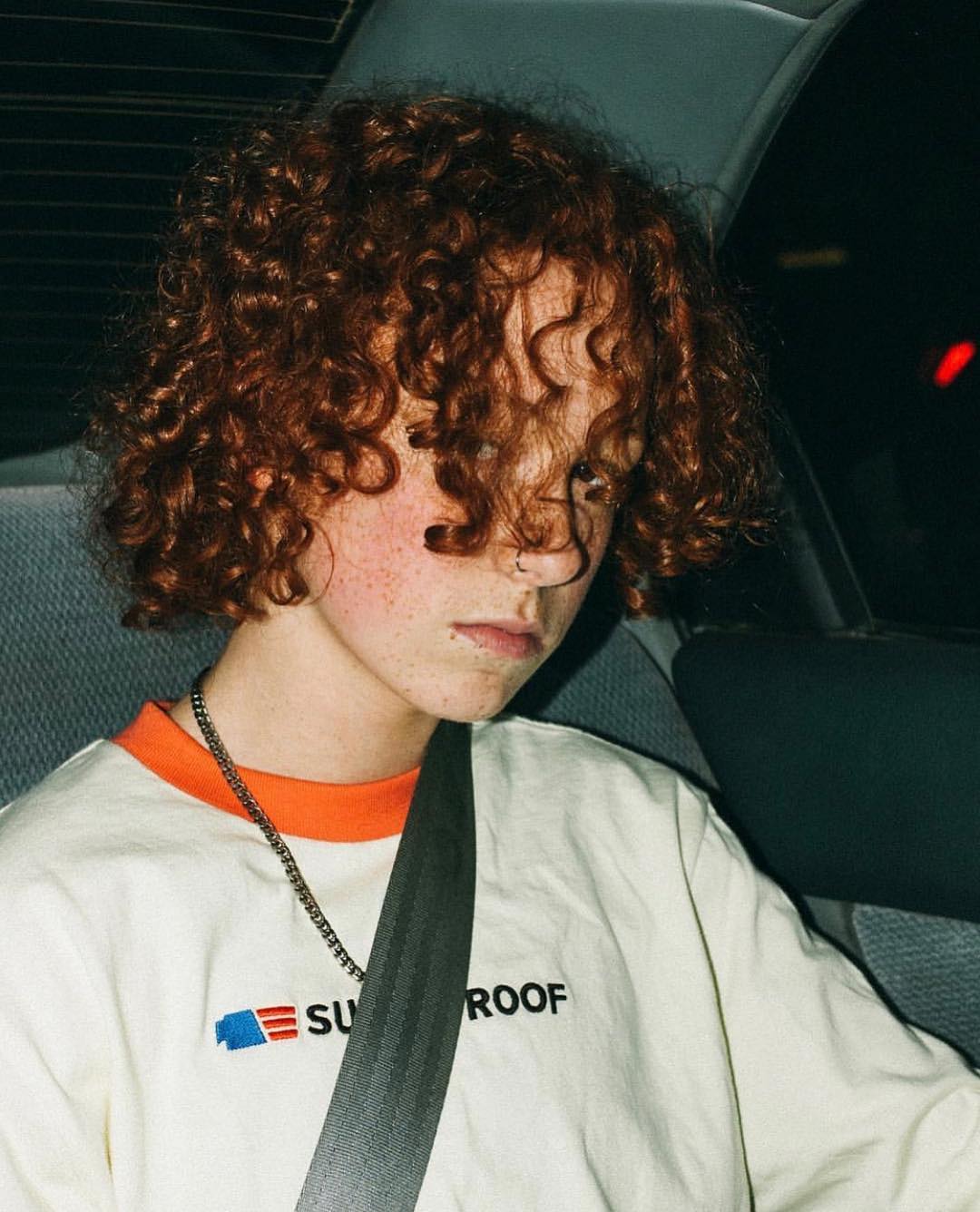
You've built an audience. You know your aesthetic. You have a product idea that feels obvious to you and to the people who follow you. What you probably don't have is a manufacturing team, a sourcing network, or a quality control process built for retail. That gap is where most influencer merch projects fall apart.
Inniss Pearl Group offers a third path. We work as a brand incubator, a single point of contact from concept through fulfillment. We're based in Vancouver, with real production and client relationships in Los Angeles and New York. Our work is premium and design-led, built for creators who want a product as considered as their content.
Vancouver
Brand Incubator
Los Angeles — New York
What "Influencer Merch" Usually Means Today, and Where It Falls Short
For most creators, influencer merch means a print-on-demand platform or a drop-shipped blank with a logo added on top. It's fast. It's low risk. It's also low margin, with no exclusivity and little real quality control behind it.
When production goes wrong, the cost lands on the creator, not the platform. Construction that falls apart after a couple washes. Mislabeled fiber content. Sizing that shifts from one order to the next. Ship dates that slip past a launch date already promised to an audience. None of that is a small manufacturing detail. It shows up in comments and returns, and it sticks to the creator's name, not a factory nobody's audience has heard of.
An audience is a real asset, built over years. A product sold on top of it deserves the same care, not a shortcut that undercuts the trust behind it.
Print-On-Demand vs. a Real Manufacturing Partner
Print-on-demand has a place. It's a reasonable way to test an idea with little capital and almost no risk before committing to a full production run.
The model still has a ceiling. Margins stay thin because pricing is set by the platform, not the brand. Any seller can use the same blank, so exclusivity and design control stay limited. Quality varies by supplier, with little room for a distinct fit, fabric, or construction.
A real manufacturing partner works differently. Margins improve because production is priced closer to cost. Designs, patterns, and fabric choices belong to the brand. Quality gets checked at each stage, not after a customer complains. Creators with real traction on print-on-demand tend to hit a point where the format holds them back. That's usually when a manufacturing partner starts to make sense.
What a Brand Incubator Means
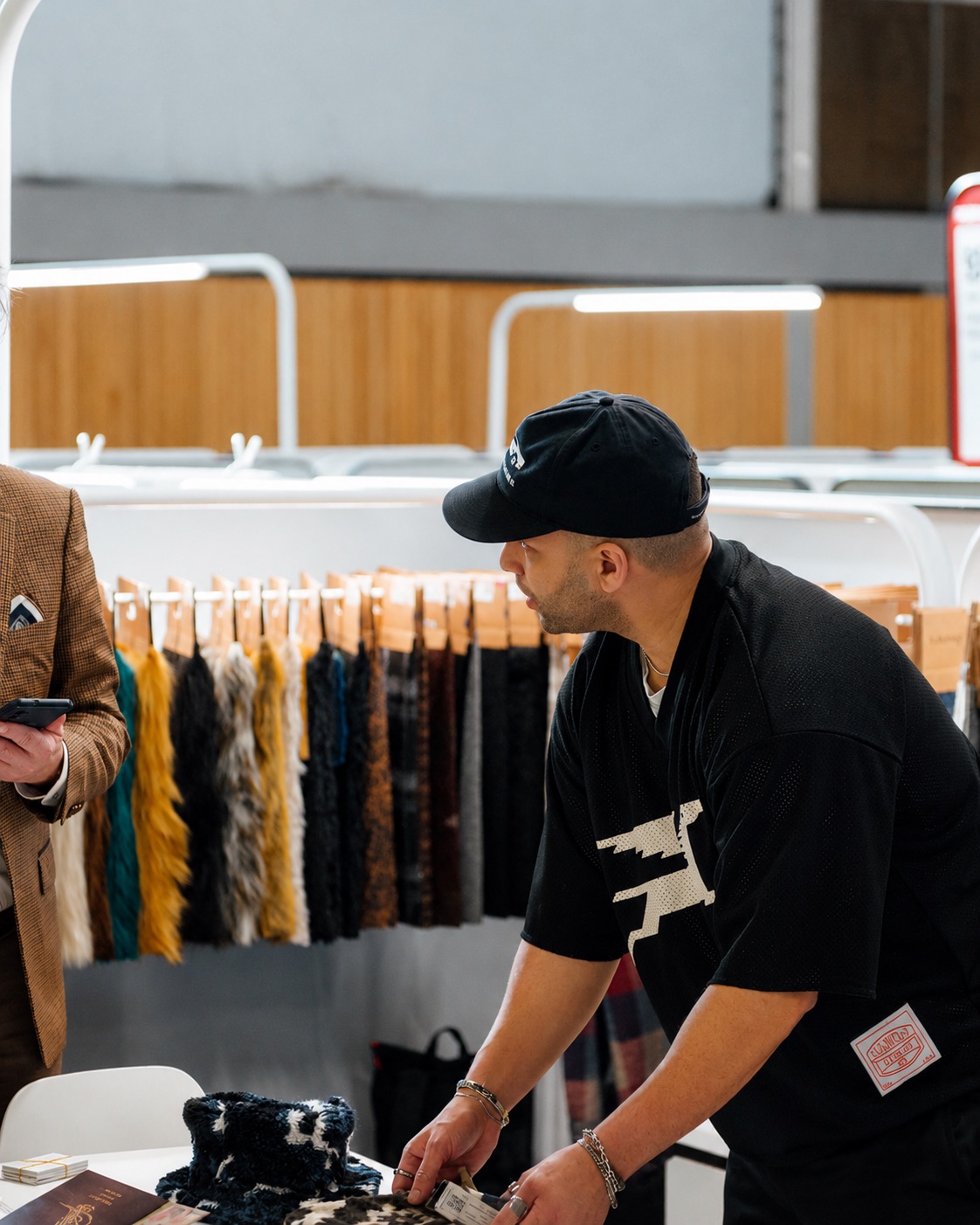
At Inniss Pearl Group, a brand incubator means one relationship spanning the full process: concept, design, sourcing, tech packs, pattern making, sampling, cut-and-sew manufacturing, screen printing and embroidery, quality control, and distribution.
Creators launching a merch line become apparel executives overnight, usually without industry contacts or a supply chain to lean on. A brand incubator absorbs that complexity. Instead of managing several vendors and hoping they coordinate, you work with one team carrying the idea through every stage.
This isn't a marketplace or a broker connecting creators to random factories. It's also different from a typical private label clothing manufacturer, since we build a product from concept up instead of relabeling existing stock.
How the Incubator Process Works
Here's how an idea becomes a finished, sellable product line.
01
Concept & Creative Direction
A mood board, a few reference images, a rough idea. We turn that into a defined product direction.
03
Sourcing & Materials
We handle fabric and trim sourcing to standards that match a premium position.
04
Pattern Making & Sampling
We build the first pattern and produce a sample garment before committing to a full run.
05
Cut-and-Sew Manufacturing
Fabric is cut to pattern, and cut-and-sew manufacturing construction is checked throughout.
06
Printing, Embroidery & Finishing
We handle screen printing and embroidery to match the garment, not just stamp a logo on a blank.
07
Quality Control
Every piece gets inspected before it ships, checked at multiple stages, not just at the end of the line.
08
Fulfillment & Distribution
Finished product moves through fulfillment and lands at the customer's door.
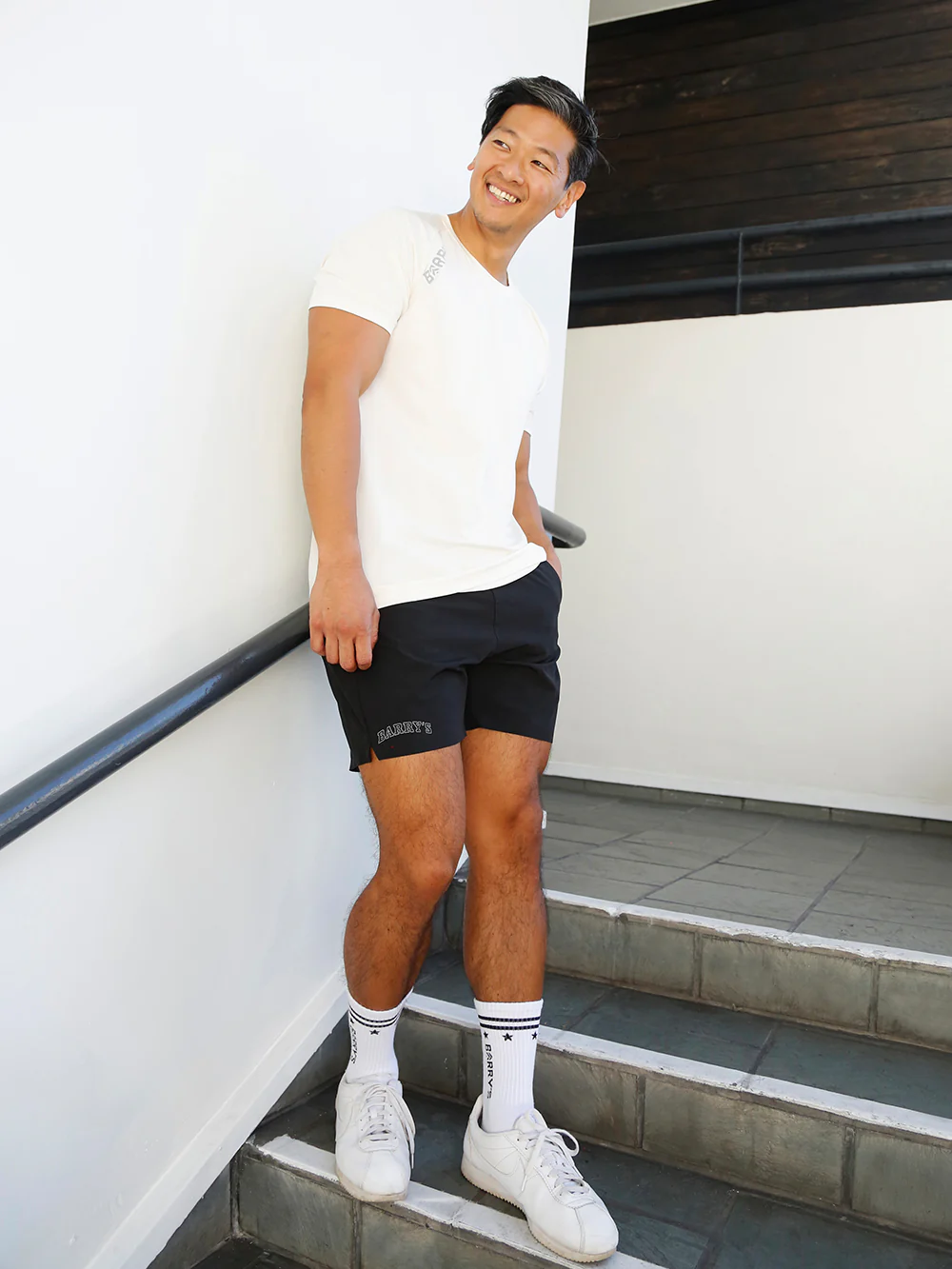
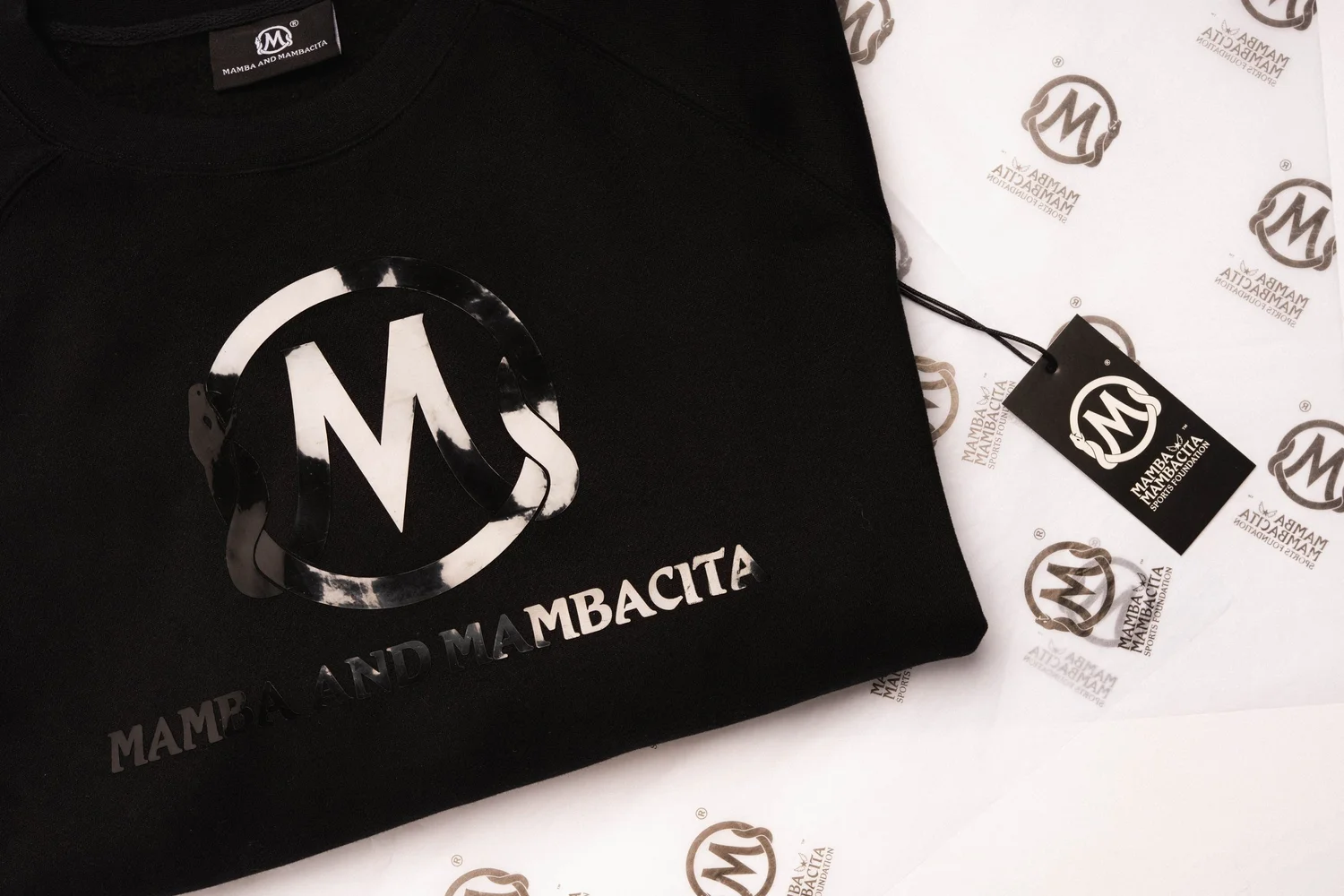

Beyond Apparel: The Incubator Model Isn't Limited to Clothing
Apparel is our core capability, and it's where we go deepest: design, patterns, cut-and-sew construction, and finishing. It's also where an audience's trust matters most, since clothing is worn, photographed, and judged closely.
The same idea-to-product process can extend to adjacent categories, including accessories, drinkware, and home goods, for creators building a broader brand. We're not claiming these are built out at the same depth as apparel today. We're pointing to a longer-term relationship: a partner who can grow with a creator merch brand past its first product line, not one who fills a single order and moves on.
Who This Is Built For
This works best for creators with an existing audience, a clear point of view, and the willingness to invest in a real product instead of the cheapest option on the market.
This isn't the right fit for everyone. If you want twenty shirts for personal use, or the lowest price is your only priority, a local screen printer or an on-demand platform will serve you better, and we'll say so directly.
Before reaching out, ask yourself:
- Do I have an audience that trusts my taste?
- Do I have a clear idea of what I want to make?
- Am I ready to invest in quality over quantity?
- Am I thinking beyond one drop, toward a real brand?
If you answered yes to most of these, you're in the right place to start building.
What to Expect: Timeline, Investment & Minimum Order Quantities
Every project moves at its own pace, but there's a general shape to a first run. Concept and design typically take a few weeks. Sourcing, sampling, and pattern adjustments add more time before production starts. Cut-and-sew production, finishing, and quality control follow before fulfillment.
Minimum order quantities run higher than a print-on-demand platform, since cut-and-sew production needs enough volume to justify custom patterns and dedicated production time. First orders are typically set to balance investment against risk, and repeat orders often carry different minimums once a design is proven.
Investment scales with complexity. A basic tee runs differently than a heavyweight hoodie with custom trims and multiple embroidery placements. A real, itemized quote follows a discovery conversation, once we understand the product, the volume, and the timeline you're working with.
Built on Real Production, Not Just a Pitch
Inniss Pearl Group is an operating design and manufacturing company, not a dropship reseller with a nice website. Our team leads design and account work from Vancouver, with real production and client relationships in Los Angeles and New York, supporting made-in-the-USA and Los Angeles manufacturing standards for creators who want production closer to home.
We hold to sourcing standards on every fabric and trim order. Every sample goes through a fit and construction review before a production run starts. Quality control checkpoints run through the entire process, not just at the final stage.
One of our pattern makers likes to say a garment's fit gets decided long before a single stitch is sewn, at the sample review stage. That's usually the moment a creator notices the difference between a piece that looks good on a hanger and one that holds its shape after a dozen washes. You can see examples of that process in our portfolio.
Starting the Conversation
A first call works best when you bring a few things: a mood board or reference images, any data on your existing audience or past product sales, a rough timeline, and a realistic budget range. The more clarity you bring, the faster we can turn your idea into a defined product direction.
If you're still at the idea stage and haven't nailed down your brand basics, market research, or planning, start with our how to start a clothing brand guide. It'll help you come back ready to build.
FAQs
What does a clothing manufacturer for influencers do?
A clothing manufacturer for influencers handles the full production process for a creator's merch or apparel line: design, sourcing, pattern making, sampling, cut-and-sew manufacturing, printing or embroidery, quality control, and getting finished product to customers.
What's the difference between print-on-demand merch and working with a real clothing manufacturer?
Print-on-demand uses shared blanks and platform pricing, with fast setup but low margin and little quality control. A real manufacturer builds custom patterns, sources dedicated fabric, and inspects construction at each stage, giving a creator more control over quality, fit, and brand identity.
How much does it cost to start a clothing brand with a manufacturing partner?
Cost depends on the product, fabric, decoration method, and order volume. A basic tee costs less to produce than a heavyweight hoodie with custom trims. A discovery call and itemized quote give a clear number for your specific project.
How long does it take to go from idea to a finished product line?
Timelines vary by product complexity and order size, but a first run generally moves through concept, design, sourcing, sampling, production, and finishing before fulfillment. Building in enough time for sampling and revisions leads to a stronger finished product.
Do I need an existing audience or product before I can work with a brand incubator?
An existing audience helps, since it shows demand for a product. Creators earlier in their journey can still start the conversation, though a brand incubator works best for people ready to invest in a real, sellable product line.
What is a tech pack, and do I need one before reaching out to a manufacturer?
A tech pack is a detailed spec document covering measurements, materials, construction, and labeling for a garment. You don't need one before your first call. Our design team can build it with you as part of the process.
What's a typical minimum order quantity (MOQ) for a first production run?
MOQs for cut-and-sew production run higher than print-on-demand, since custom patterns and dedicated production time require enough volume to make sense. Exact minimums depend on the product and complexity, and get confirmed during a quote.
Can a brand incubator help with merch beyond clothing, like accessories or drinkware?
Apparel is our deepest capability, and the same idea-to-product process can extend to adjacent categories like accessories, drinkware, and home goods for creators building a broader brand over time.
Who owns my designs, patterns, and tech packs after the project is finished?
Creators own the designs, patterns, and tech packs developed for their brand. Ownership terms are laid out clearly at the start of a project, so there's no confusion once production wraps up.
Is production done overseas, or in North America?
Inniss Pearl Group is based in Vancouver, with real production and client relationships in Los Angeles and New York. Manufacturing happens in North America, supporting made-in-the-USA and Los Angeles production standards for creators who want that closer to home.
Ready to Build Something Real?
Your audience already trusts your taste. Give them a product that matches it. Inniss Pearl Group works as a single point of contact from concept through fulfillment, with the standards of a full-service apparel manufacturer behind every piece.
[ Schedule a Call ]