
Custom T-Shirt Printing & Apparel Customization
Search "custom t-shirt printing" and most results are upload-your-logo shops built for fast checkout and one-off orders. That's not what you'll find here.
Inniss Pearl Group is a full-service apparel design and manufacturing company based in Vancouver, with real production relationships in Los Angeles and New York. We treat custom apparel printing as one part of a larger process, not a standalone transaction. That process includes concept and design, fabric sourcing, pattern making, cut-and-sew manufacturing, and quality control.
This page covers the methods we use most: screen printing, embroidery, DTG (direct-to-garment) printing, and specialty finish treatments like dye washing and garment washing. We work with brands across the US. Our production ties in LA and NYC mean we can talk fabric, construction, and print method in the same conversation instead of handing you off between vendors.
Vancouver
Apparel Printing
Los Angeles — New York
Why Printing Is Part of a Larger Process, Not a Standalone Service
Most printing shops sell one thing: ink on a blank. They don't ask what fabric you're using, how the garment is constructed, or how the shirt will hold up after twenty washes. That gap causes real problems.
A print method, ink type, and finish should get chosen alongside your fabric and construction decisions, not after the fact. A heavyweight plastisol print on a lightweight jersey can crack. A photorealistic design forced onto a dark, heavily textured fabric can bleed or lose detail. A garment wash applied after printing can fade or distort the artwork if the ink wasn't chosen with that finish in mind.
At Inniss Pearl Group, printing sits inside a pipeline that starts with Design & Development and Sourcing & Materials. We look at your fabric, your construction, and your print method together, so the finished product holds up instead of cracking, fading, or peeling after a few washes.
We once had a founder bring in three boxes of shirts from another printer. The graphics had started peeling after two washes because the ink and fabric blend were never matched. That kind of failure is avoidable when printing gets planned early instead of bolted on at the end.
Screen Printing
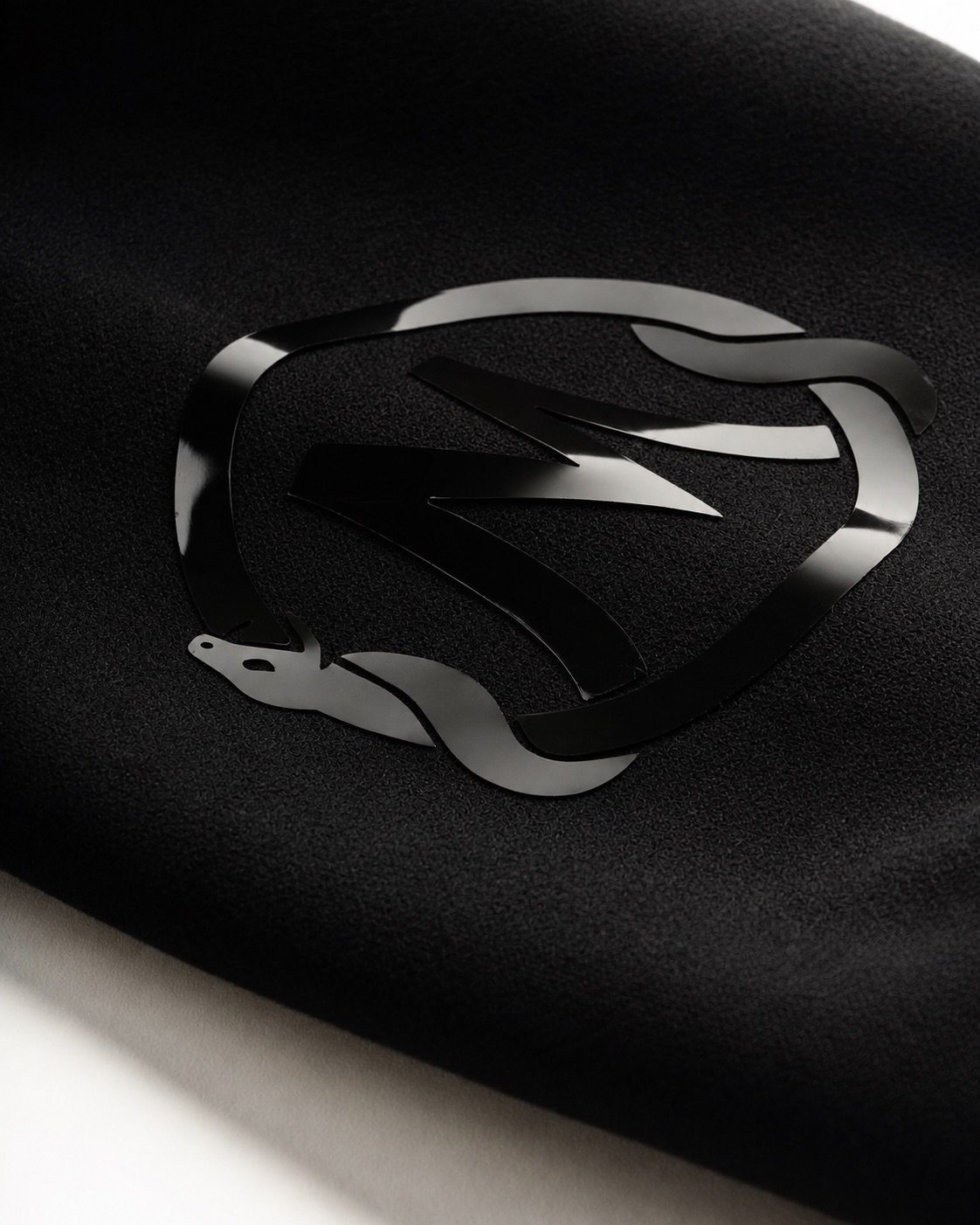
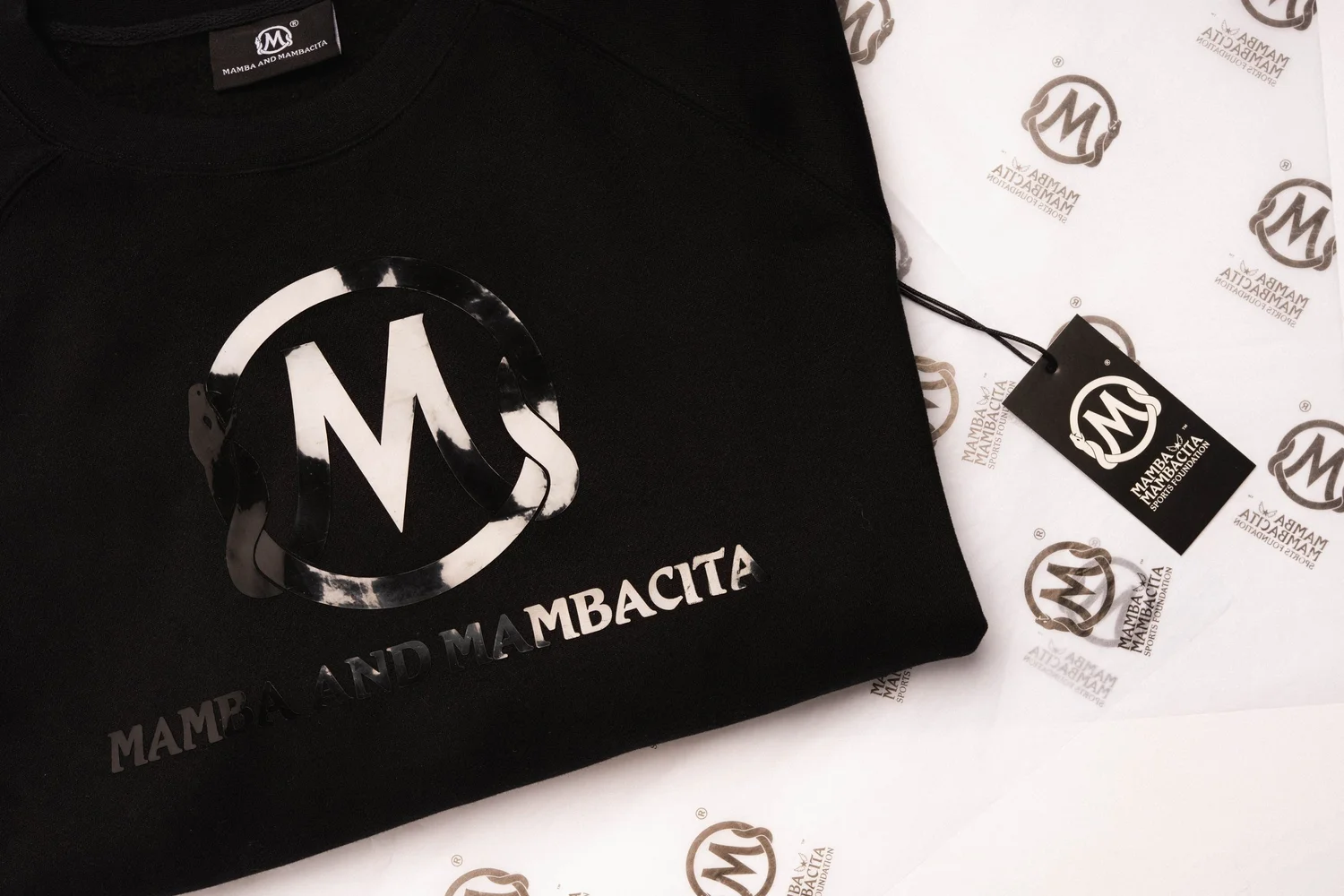
Screen printing pushes ink through a mesh stencil, one color layer at a time. It's the industry standard for bold, durable graphics because the ink sits on top of the fabric in a thick, opaque layer that holds its color through repeated washing.
Two ink types cover most jobs. Plastisol ink sits on the surface of the fabric and gives a slightly raised, durable hand-feel. Water-based or discharge ink soaks into the fibers for a softer, more breathable finish that feels closer to the shirt itself.
Screen printing involves setting up a physical screen for each color, so there's a real cost tied to that setup work. That's why screen printing tends to make more sense at higher volumes rather than single-piece orders. It's the right call for team merchandise, event apparel, retail drops, and any run where you need the same bold graphic repeated across dozens or hundreds of garments.
When Screen Printing Is (and Isn't) the Right Call
Screen printing shines with bold, simple designs using one to four solid colors, like logo marks, block text, and flat graphic shapes. The ink lays down clean, saturated color that lasts.
Where screen printing struggles is photorealistic art, gradients, and designs with dozens of color blends. Those jobs are usually better suited to DTG printing, which we cover next.
Embroidery
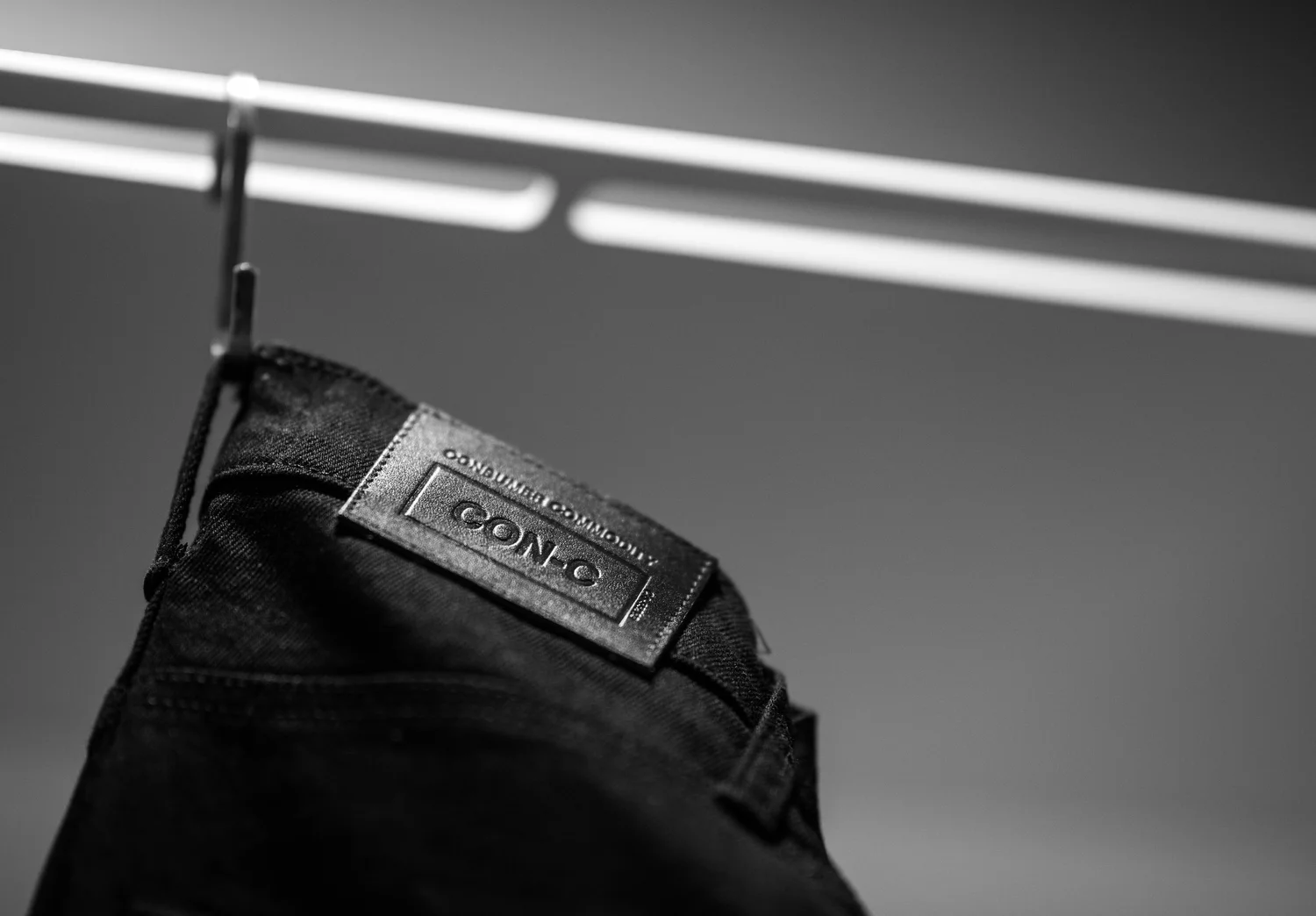
Embroidery stitches thread directly into the fabric instead of printing ink on top of it. It gives a textured, dimensional finish that reads as premium, and it holds up to years of wear far better than most printed graphics.
It's the standard choice for hats, polos, outerwear, and fleece, where a raised, stitched logo feels more durable and more upscale than a flat print.
Before any stitching happens, artwork goes through digitizing. A digitizer converts your logo or design into a stitch file that tells the embroidery machine exactly where to place each thread, what direction to stitch, and how dense the fill should be. Fine detail and small text can be tricky to digitize cleanly, so simpler logos with clear lines tend to translate best into embroidery.
Stitch count and design complexity affect both the look and the cost of the finished piece. Embroidery works best for logos, monograms, and brand marks rather than full-color photographic art. It's a strong fit for corporate apparel, uniforms, and any piece meant to last through years of regular wear.
DTG (Direct-to-Garment) & Digital Printing
DTG printing works like an inkjet printer for fabric. It sprays ink directly onto the garment instead of pushing it through a screen, which means there's no setup cost tied to screen creation.
That makes DTG a strong option for full-color and photographic artwork, small production runs, and sample development where you want to see a design on a real garment before committing to a larger order. Where screen printing is built for volume, DTG is built for detail and flexibility.
Fabric matters here. DTG prints best on fabrics with a high natural fiber content, particularly cotton, since the ink needs to absorb into the fibers to hold its color and detail. That's another reason print method and fabric choice run through the same conversation, tied back to Sourcing & Materials.
DTF (direct-to-film) printing is a related but different method. It prints the design onto a special film first, then transfers it onto the garment with heat. DTF works on a wider range of fabrics than DTG and can hold up well over time, but the hand-feel and process differ enough that it's worth understanding the distinction. For a closer technical comparison, Shopify's breakdown of DTG versus screen printing and its DTG versus DTF comparison are useful starting points, as is Wikipedia's overview of direct-to-garment printing.
Specialty Finish Treatments
Printing and stitching aren't the only ways to shape how a garment looks and feels. Finish treatments change the fabric itself, and they're where a lot of premium brand identity gets built.
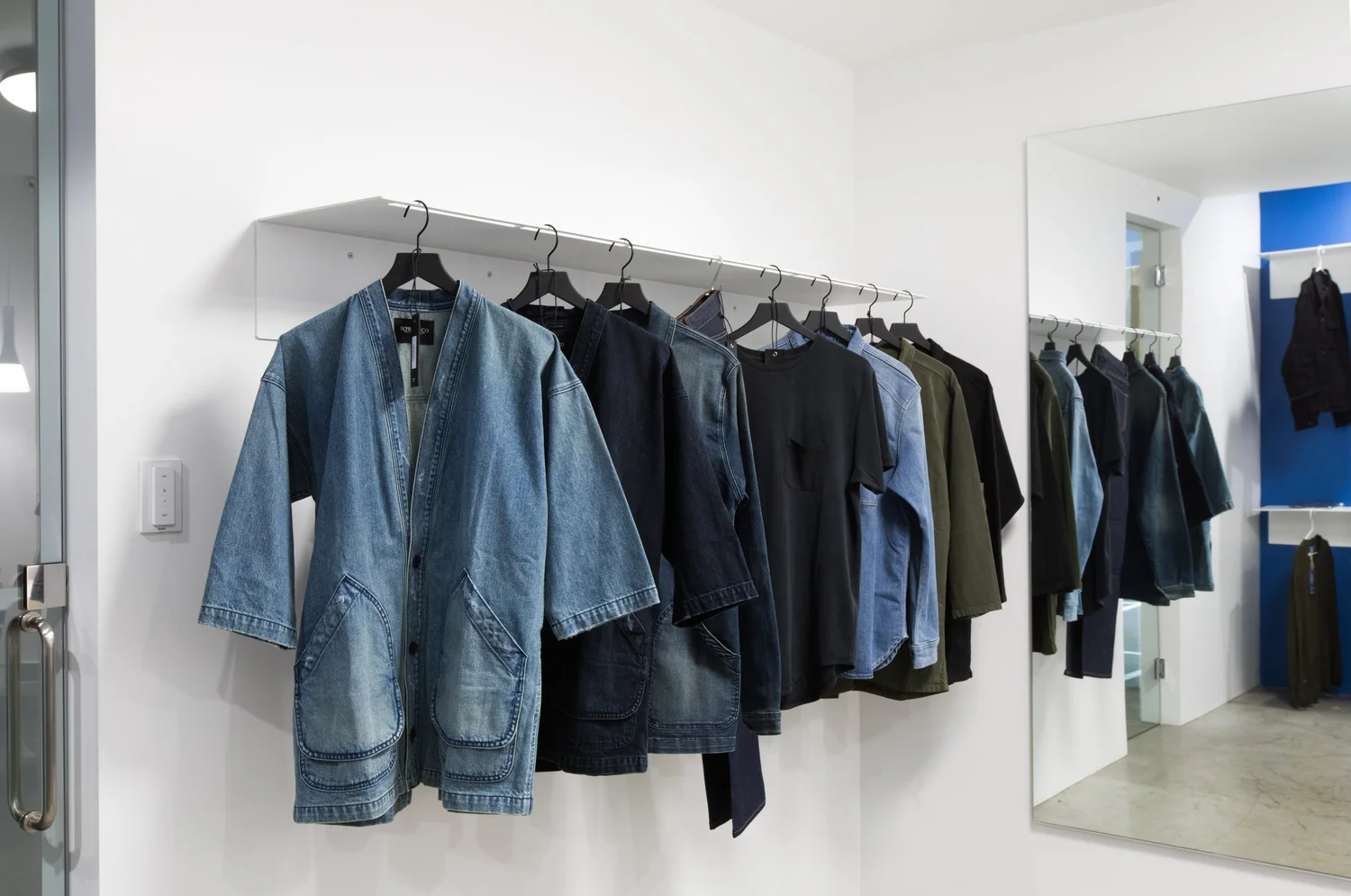
Dye washing, garment washing, pigment dye, and acid or enzyme wash treatments all soften, fade, or shift the color of a finished garment after it's constructed. Tonal and over-dye effects can give a piece a worn-in, lived-in look straight out of the box. These treatments matter for a taste-led brand because they add depth and character that a flat, unwashed garment doesn't have.
Finish treatments interact directly with fabric choice and print method. A garment wash applied after printing can shift or soften the printed graphic, so the sequence and ink type need to account for that from the start.
Beyond core washes, we also offer add-ons like puff print, metallic ink, over-the-seam printing, and glow-in-the-dark ink for brands that want a distinct effect on top of a standard print or embroidery job. For textile and ink safety standards, OEKO-TEX publishes independent certification criteria worth knowing if sustainable or skin-safe finishing matters to your brand.

From Sample to Production: How the Process Works
Every project starts with a review of your design or art file. We look at color count, detail level, and placement to recommend the print or embroidery method that fits both your design and your fabric.
From there, we build a sample or proof so you can see and approve the actual look and feel before a full production run starts. If you're still finalizing artwork, our Tech Packs resource explains what a clean, print-ready file needs to include.
Once the sample is approved, we move into the full production run. Quality control checkpoints run throughout, watching for the issues that plague less careful printers: peeling, ink bleed-through, and missing design elements. Catching those problems early, rather than after a full run ships, is the point of building QC into the process instead of treating it as a final check.
The whole process stays connected to Design & Development and Sourcing & Materials, so decisions made early about fabric and construction carry through to the finished, printed garment.
Who This Is For
This page is for brand founders who've outgrown print-on-demand and need a partner who can produce consistent quality at real volume. It's for companies that can't afford variation between the first hundred units and the thousandth.
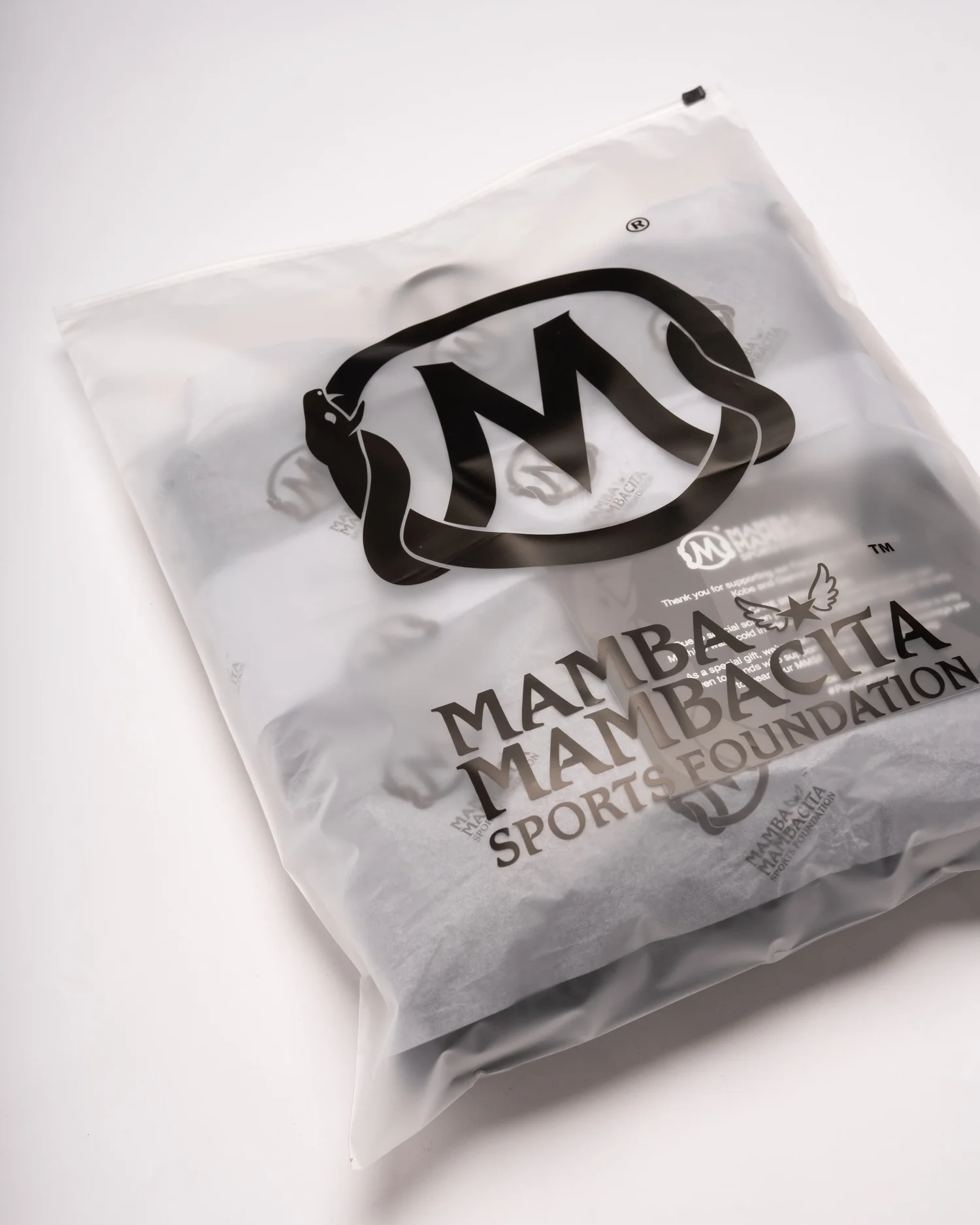
It's also for brands in Los Angeles, New York, or anywhere else in the US who want a manufacturing partner with actual production ties in those cities, not just a shipping address. Our client list includes brands like Mejuri, Barry's Bootcamp, Mailchimp, and BC Hydro, alongside work tied to New York Fashion Week, IMG, Endeavor, LayerZero, and the Cita Foundation. You can see more of that work on our portfolio.
If you're building a brand from the ground up, our Apparel Brands & Private Label and Influencer Merchandise & Brand Incubator pages cover how printing fits into a full apparel program. If you need uniforms or corporate apparel instead, visit Corporate & Uniforms.
FAQs
What is the difference between screen printing and DTG printing for custom t-shirts?
Screen printing pushes ink through a stencil and works best for bold, simple designs at higher volumes. DTG sprays ink directly onto the fabric like an inkjet printer, which makes it better suited for full-color or photographic designs and smaller runs.
How much does custom t-shirt printing cost for a small clothing brand?
Cost depends on the print method, color count, garment, and order volume. We don't publish flat pricing because every project is different. Reach out through our contact page for a quote based on your design and volume.
What is the minimum order quantity for custom screen printing?
Screen printing involves setting up a physical screen for each color, so there's a setup cost built into every order. That makes screen printing more cost-effective at higher volumes rather than single pieces. We can walk through what makes sense for your run size on a call.
Which lasts longer, screen printing, embroidery, or DTG printing?
Embroidery tends to be the most durable option since thread is stitched into the fabric rather than sitting on top of it. Screen printing holds up well with proper ink and fabric matching. DTG can be durable too, but fabric compatibility plays a bigger role in how well it holds up over time.
Can you screen print on organic cotton or sustainable fabric blends?
Yes. Screen printing works across a wide range of fabrics, including organic cotton and sustainable blends, as long as the ink type is matched to the fabric. Our fabric guide covers common fabric options and their properties.
What is a dye wash or garment wash finish, and how is it different from printing?
A dye wash or garment wash changes the color and texture of the fabric itself after the garment is constructed. Printing adds a graphic on top of the fabric. The two can be combined, but the sequence and ink type need to be planned together so the finish doesn't shift or soften the printed design.
How long does custom apparel printing take from design to delivery?
Timelines vary by method, order volume, and where the project stands in design and sourcing. We don't quote fixed turnaround windows without knowing the specifics of a project, but we'll give you a real timeline once we understand your design, fabric, and quantity.
Do you offer embroidery digitizing for logos and artwork?
Yes. Digitizing converts your logo or artwork into a stitch file that guides the embroidery machine. We handle this as part of the embroidery process so your design translates cleanly into thread.
What's the difference between DTG and DTF printing?
DTG prints ink directly onto the garment and works best on fabrics with high natural fiber content. DTF prints the design onto a film first, then transfers it with heat, which allows it to work across a wider range of fabrics. Each has a different hand-feel and best-fit use case.
How do I choose the right printing method for my clothing brand?
The right method depends on your design complexity, fabric, order volume, and how the garment will be worn and washed over time. We review all of that with you and recommend a method as part of a broader design and sourcing conversation, not as an isolated decision.
Ready to Build a Printing Program, Not Just an Order
If you're comparing print shops, you're likely underestimating what a real apparel program needs. Printing, embroidery, and finishing work best when they're planned alongside fabric, construction, and design from the start.
Start with Design & Development if you're still shaping your concept, or head to Sourcing & Materials if you know your fabric direction and want to talk print and finish options next.
For guidance on protecting your designs before you print them, Printful's overview of copyright and trademark basics for printed apparel is a useful reference to review before finalizing artwork.