
Apparel Design
and Development Services
A lot of manufacturers can cut and sew a garment. Not as many can tell you why it should look the way it does, or how it fits into a full collection. That's the line between a factory and a design partner, and it's where Inniss Pearl Group starts.
Our apparel design and development services cover three stages: research and development, design development, and technical packages. Each stage builds on the last. Together, they take a brand's idea and turn it into a production-ready package. We work out of a design studio in Vancouver, with real production and client relationships in Los Angeles and New York, the two biggest apparel markets in the United States.
This isn't a print-on-demand shop or a commodity cut-and-sew house. Our approach is taste-led, built for brands who care how their collection looks, fits, and holds together as a whole.
Vancouver
Design & Development
Los Angeles — New York
[ Beyond Manufacturing ]
What Design and Development Means (and Why It's Different From Manufacturing)
Design and development is everything that happens before a garment goes into production. It includes research, sketching, fabric selection, sampling, and the technical documents a factory needs to build your product.
Manufacturing picks up after that. A cut-and-sew shop can execute a pattern you hand it. It usually can't tell you if your colorways work together, if your fabric choice matches your price point, or how to fix a design that doesn't fit your brand.
Design and development is what turns a set of separate garments into a cohesive collection. It's the difference between pieces that look related and a line that tells one story.
We work with two kinds of brands here. First-line brands building their first collection from scratch. And established apparel brands that need to refresh, scale, or fix a collection that isn't landing the way they hoped.
Research & Development
Every collection starts with research. This is where we study what's trending, who your competitors are, and what your customer expects, before a single sketch gets drawn.
Trend research and trend forecasting look at where fashion is heading in silhouette, fabric, and color. We reference the same forecasting sources most design studios use, including WGSN, along with fiber and fabric trend data from the Cotton Incorporated Lifestyle Monitor.
Market and competitive research looks at your specific space. Who else sells to your customer? What are they charging? Where's the gap your brand can fill? We also track wider supply chain trends through outlets like Sourcing Journal, since sourcing conditions affect timeline and cost.
Mood boards come after that research, not before it. A mood board is the output, a visual summary of direction, color, texture, and mood the whole team can reference.
From there, we build a creative brief. It sets the direction for design development: target customer, price point, key silhouettes, and the story the collection needs to tell.
Why This Step Gets Skipped (and Why It Shouldn't)
Research is the easiest step to skip when a founder is in a hurry to get to samples. It's also the step that causes the most expensive problems later.
We once worked with a founder who wanted to skip straight from a folder of screenshots to sample production. We talked her into two weeks of research first. The direction that came out of it was different from her original idea, and stronger.
Skip trend and market research, and you risk a collection that feels inconsistent, or a price point that misses your customer. Fixing that after samples are cut costs far more than doing the research up front.
Design Development
Once the creative brief is set, our design team moves into concept sketching and technical flats. Concept sketches capture the idea. Technical flats, also called flat sketches, show the garment in clean line form so a pattern maker can build from it.
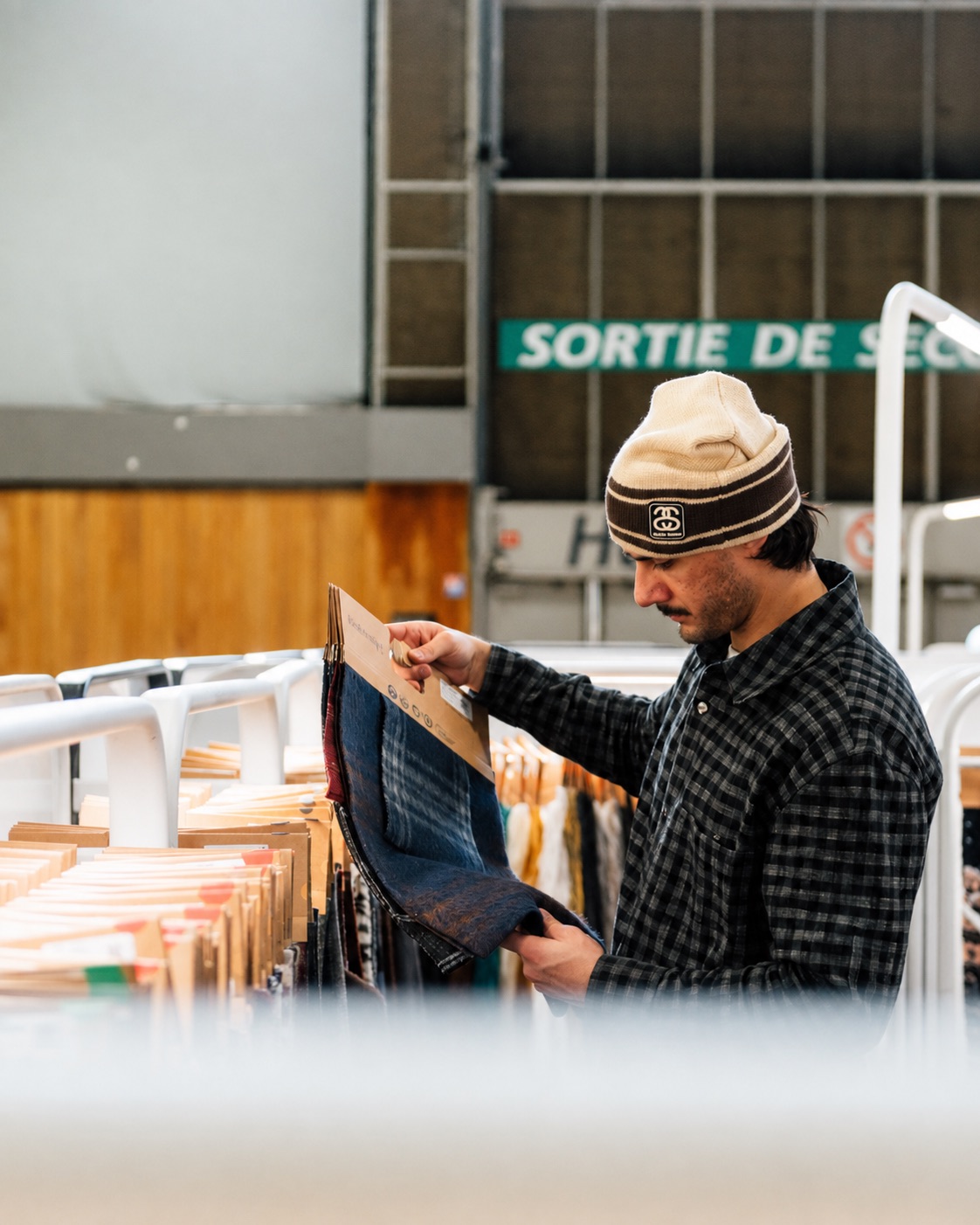
Alongside sketching, we work through fabric and material sourcing, including trim selection. This covers base fabrics, linings, zippers, buttons, labels, and any other trim in the finished piece. We draw on the same resources used across the industry, including trade events like Première Vision. We also develop colorways and, where a collection calls for it, original print work.
From there we build line sheets, wholesale-ready documents that show every style, colorway, and price point in one place. For brands presenting to buyers or investors, we put together a full design presentation package that ties the collection together visually.
Revision rounds are built into this stage, not billed as extras. Design rarely lands perfectly on the first pass.
From Design to Development
Once a design is approved, it needs to become a set of instructions a factory can build from exactly. That translation happens in the tech pack, the document that carries a design from concept into production.
Technical Packages (Tech Packs)
So what is a tech pack in fashion? In plain language, it's the technical blueprint for a garment. It tells a factory exactly how to build the piece, in what materials, and to what measurements.
A tech pack matters because it leaves little room for interpretation in production. Without one, a factory reads a sketch on its own, and that leads to errors, delays, and samples that don't match the design.
At a high level, a complete tech pack includes:
- Flat sketches showing front, back, and detail views
- Points of measure (POM) for every size in the range, following standard measurement practices similar to those published by ASTM International
- A bill of materials listing every fabric, trim, and component
- Construction detail, including seam types and stitch counts
- Colorway specifications for each version of the style
Our in-house tech pack designers build these documents as part of design development. You won't need to source a separate technical designer partway through your project.
This page covers tech packs at a summary level. For the full breakdown of what goes into a tech pack, how points of measure work, and how to read a bill of materials, see our complete tech pack guide.

Our Process
Our design and development process follows four steps.
01
Research and direction.
Trend research, competitive research, and a creative brief.
02
Design development.
Sketches, fabric and trim selection, colorways, and line sheets.
03
Technical packages.
Complete tech packs ready for costing and sampling.
04
Hand-off to production.
Your collection moves into manufacturing, with every detail already documented.
[ One Roof ]
Why Work With Inniss Pearl Group
Design and development is one part of what we do. Sourcing, pattern making, cut-and-sew manufacturing, printing and embroidery, and distribution all happen under the same roof. That continuity matters. A design team that never talks to the factory floor tends to produce tech packs that look great on paper and fall apart in production.
We're headquartered in Vancouver, with real production and client relationships in Los Angeles and New York, the two centers of the U.S. apparel market.
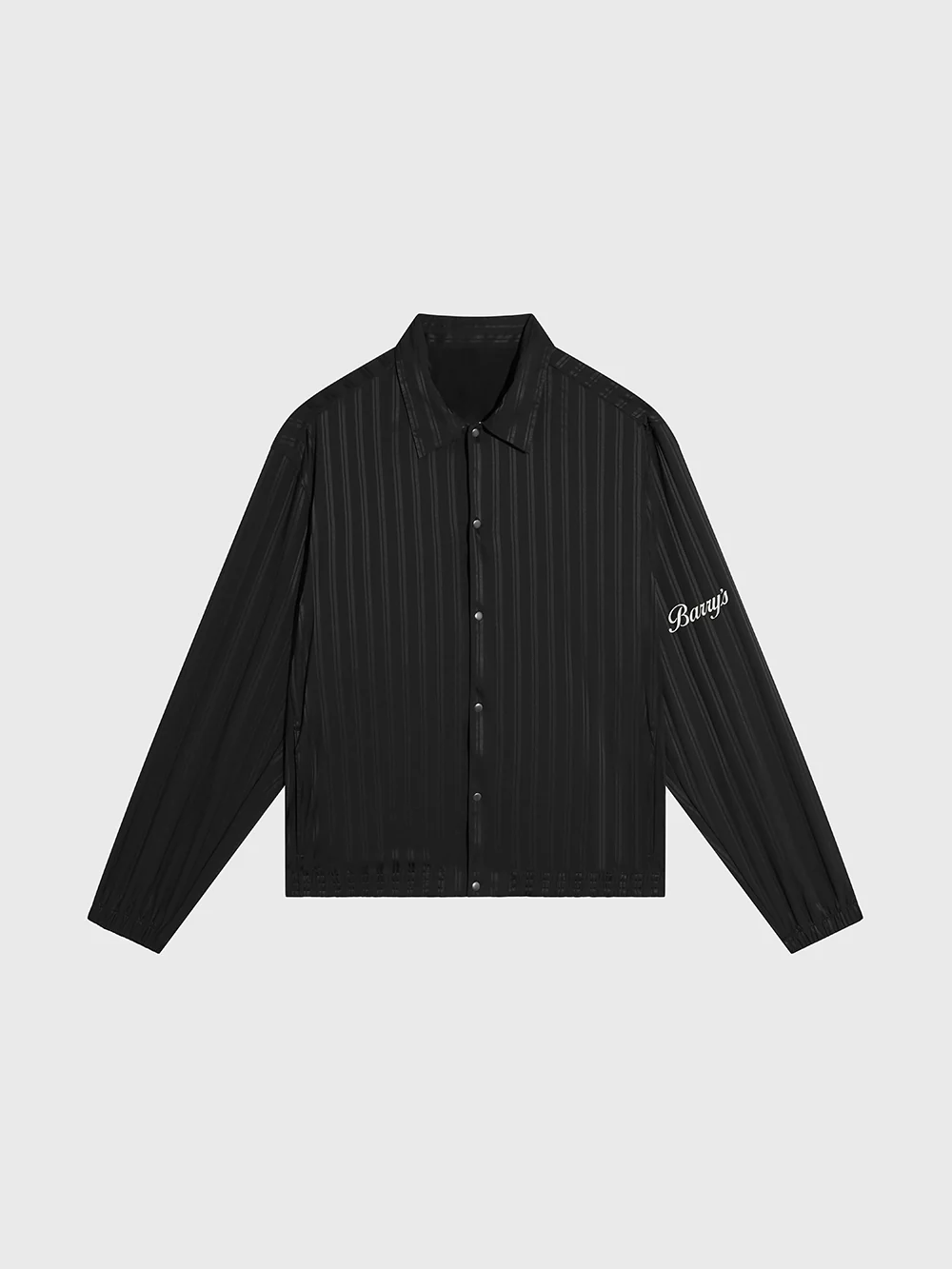
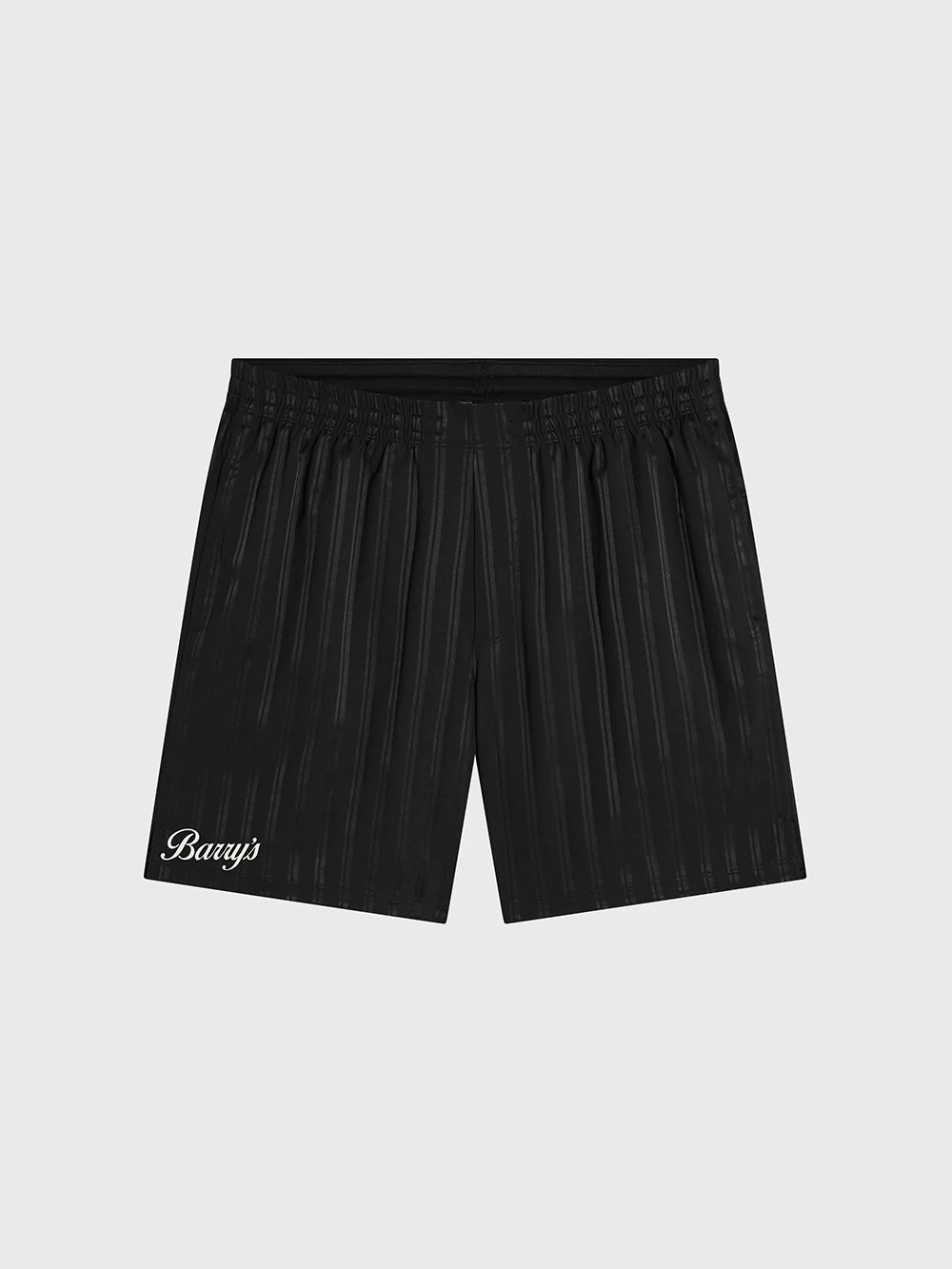
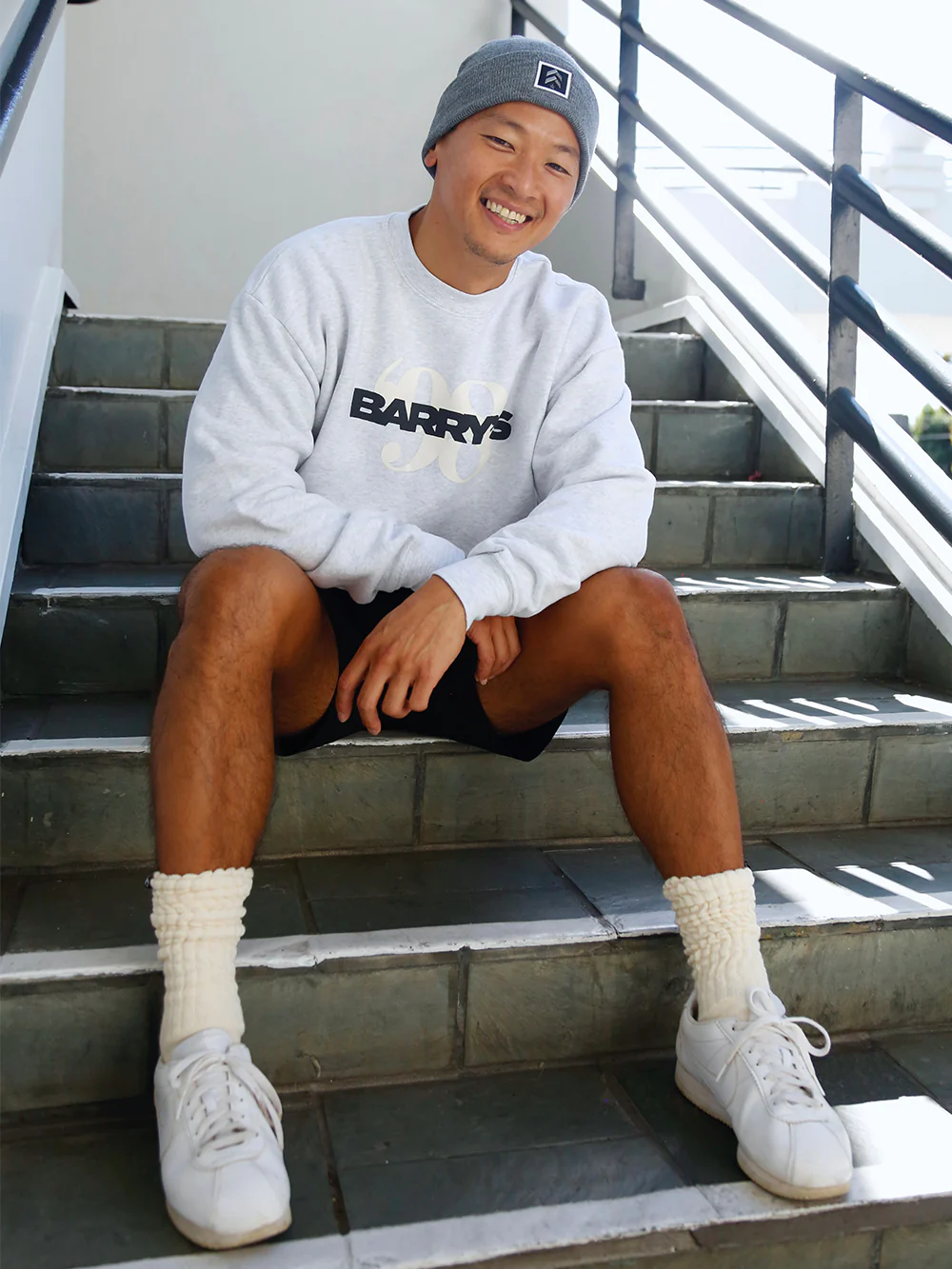
Our approach is taste-led. We've worked with brands and organizations including Mailchimp, Mejuri, LayerZero, BC Hydro, Barry's Bootcamp, the Cita Foundation, and groups connected to New York Fashion Week, IMG, and Endeavor.
We work with brands at different stages. Some are launching a first collection. Others are updating a line that's been on the market for years. Either way, we build the collection around your brand, not a generic template. Browse examples of collections we've helped develop on our portfolio.
FAQs
What does apparel design and development include?
It covers everything before production: trend research, mood boards, concept sketching, fabric and trim selection, line sheets, and tech packs. It's the phase that turns an idea into a production-ready collection.
What's the difference between apparel design services and apparel manufacturing?
Design services shape the collection through research, sketches, fabric choices, and technical documents. Manufacturing builds the garments from those documents. You need both, but they're different skill sets.
What is a tech pack in fashion, and do I need one before I contact a manufacturer?
A tech pack is the technical blueprint for a garment, including flat sketches, measurements, and a bill of materials. You don't need one before contacting a manufacturer. A design partner, including ours, can build it with you.
Do I need to hire a separate tech pack designer, or is that included in your design and development services?
It's included. Our in-house tech pack designers build your tech packs as part of the process, so you won't need to hire a separate designer.
How long does the design and development process take before a collection is production-ready?
Timelines depend on the size and complexity of the collection. A small capsule moves faster than a full seasonal line with multiple fabrications. We'll give you a specific timeline after reviewing your project's scope.
What is trend research, and why does it matter for a new collection?
Trend research looks at where silhouettes, fabrics, and colors are heading before your collection launches. Skip it, and a collection can feel outdated the moment it hits the market.
Can you refine or redesign an existing collection, not just create new designs from scratch?
Yes. Many clients come to us with a collection that needs a refresh, not a full rebuild. We can revise fit, update fabrications, or reposition a line for a new price point.
What's included in a line sheet or design presentation package?
A line sheet shows every style, colorway, and price point in a wholesale-ready format. A design presentation package builds on that with mood boards, sketches, and fabric direction.
Do you work with brands that don't have an in-house designer?
Yes. Many of our clients don't have an in-house design team. Our research, design development, and tech pack services are built to take a brand from concept to production without one.
Do you only work with brands producing in Los Angeles or New York?
No. Our studio is in Vancouver, and we support clients producing across the U.S., with strong ties to Los Angeles and New York.
Start Your Collection the Right Way
Ready to see if your collection idea holds up past the sketch stage? Schedule a call with our team. We'll walk through research, design development, and tech packs together, and tell you exactly what your collection needs before it goes into production.
[ Schedule a Call ]