
Cut and Sew Manufacturers for Growing Apparel Brands
Finding cut and sew manufacturers who will work with a brand's first real order is harder than it should be. Most factories want large minimums. Many treat sample requests like an afterthought. Plenty of "manufacturers" online are brokers who forward your order to someone else.
Cut and sew manufacturing means full garment construction: cutting fabric, sewing it into finished pieces, and shipping product ready to sell. It is not screen printing blank t-shirts or adding a logo to a stock hoodie.
Inniss Pearl Group builds garments in-house, handling pattern making, cutting, and sewing under one roof. We work directly with founders launching their first collection and established brands scaling production. No middleman. No guessing where your order gets made.
Vancouver
Cut & Sew
Los Angeles — New York
What Cut and Sew Manufacturing Means
Cut and sew manufacturing covers every step of turning fabric into a finished garment: cutting pattern pieces, sewing them together, and finishing details like trims and labels.
There are two common models. CMT (Cut-Make-Trim) means you supply the fabric and trims, and the factory only cuts, sews, and trims. Full-package manufacturing means the factory also sources materials, handling fabric, trims, and construction together.
Inniss Pearl offers full-package cut and sew manufacturing, though we can work CMT-style for brands with existing fabric relationships. For deeper definitions of these terms, visit our industry glossary.
Low-Minimum, Low-MOQ Cut and Sew Manufacturing
High minimum order quantities keep a lot of good ideas off the rack. A brand with one strong design and a tight budget should not need to order a thousand units to get started.
Inniss Pearl works with brands launching a first collection, market-testing a new style, releasing a capsule collection, or scaling gradually instead of betting everything on one large run. Low MOQ cut and sew manufacturing gives you room to prove a design works before committing serious capital.
We will not pretend there is no tradeoff. Small-batch manufacturing costs more per unit than a large run. Cutting, sewing, and finishing a smaller batch means less efficiency per piece, and that shows up in pricing. Brands choosing low-MOQ manufacturing are usually paying for flexibility and lower financial risk, not the cheapest possible unit cost.
For brands weighing that tradeoff, the U.S. Small Business Administration offers useful guidance on starting with small test orders before scaling up.
How Order Volume Affects Pricing and Timelines
Order size affects cost and lead time. Larger orders spread fixed costs, like pattern setup and cutting time, across more units. That lowers the price per piece. Smaller orders carry more of that overhead per unit.
Timelines shift too. A small-batch order can sometimes move through cutting and sewing faster, since it needs less floor time overall. Sample development and approvals still take real time regardless of order size.
The Sample-Making Process
Every cut and sew order starts with a sample, and the process follows a consistent path.
First, we review your tech pack or pattern. If you already have a tech pack, our team studies your construction details, measurements, and material specs. If you do not have one yet, our design and development team can help build one from your sketches or reference garments.
Next comes the first sample cut. Our pattern makers cut and sew a single prototype based on your specs. This first sample rarely comes out perfect, and that is expected.
From there, you review fit, construction, and finish. Most projects go through at least one round of revisions before the pattern is production-ready. Timelines vary by garment complexity and how many rounds of changes you need, so we will not promise a fixed number of days.
You can bring your own patterns if you have them, or we can develop patterns in-house from a tech pack or design brief.
This step matters most for low-MOQ brands. Sample development lets you catch fit and construction problems on one piece instead of a full production run. For a clear look at how sample costs break down, Fashion-Incubator has a detailed independent explainer worth reading.
Cut & Sew Manufacturing in Los Angeles
Inniss Pearl Group is headquartered in Vancouver, with real production ties and client relationships in Los Angeles and New York.
Los Angeles remains one of the most concentrated garment districts in North America. Fabric suppliers, trim houses, and skilled sewing contractors sit within a few miles of each other. That density matters for cut and sew manufacturers in Los Angeles and their clients, since it shortens the distance between decision and execution.
For brands searching for cut and sew Los Angeles production, the value goes beyond geography. Our LA-based network supports faster in-person fittings for West Coast clients, closer contractor relationships for complex construction, and easier access to specialty fabric houses.
If your team is based in LA, or you ship finished garments there for distribution, our Los Angeles cut and sew manufacturers network gives you a real production presence on the West Coast. It is backed by the same standards we hold in Vancouver.
We're building a dedicated Los Angeles resource with more detail on our West Coast production capabilities.
What We Manufacture
Inniss Pearl produces both wovens and knits, covering a wide range of apparel categories.
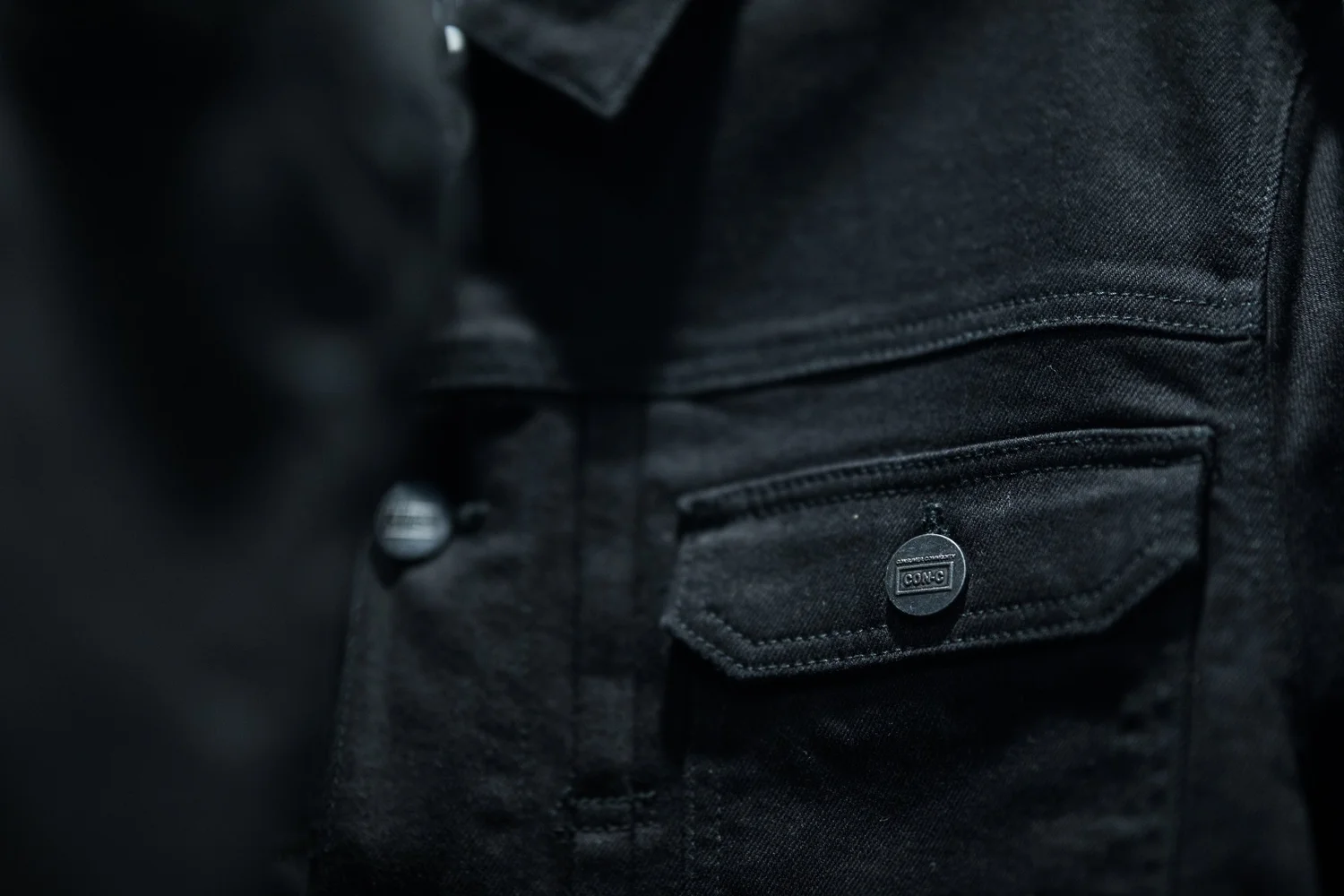
Common categories include t-shirts, hoodies, joggers, jackets, button-downs, dresses, and performance wear. We also produce corporate apparel, team uniforms, and branded merchandise for events and hospitality.
Construction ranges from simple single-layer pieces to garments with linings, multiple panels, and technical fabrics. Fabric options span natural fibers like cotton and wool, along with performance blends and technical textiles, sourced through our sourcing and materials team.
Our manufacturing operation handles cutting, sewing, and finishing under one roof, backed by quality checks at every stage.

Why Brands Choose Inniss Pearl
Brands choose Inniss Pearl Group for the same reasons they choose any long-term manufacturing partner: consistency, communication, and proof of real production.
Every order passes multiple quality control checkpoints, including fabric inspection and final finishing, before it ships. You get a single point of contact throughout production instead of bouncing between departments.
For brands seeking domestic manufacturing options, our Los Angeles and New York ties give you real US production, backed by a Vancouver-based team. That is a manufacturing partner close to home, not an overseas broker three time zones away.
Ethical sourcing matters to us and to the brands we work with. We reference recognized industry standards, like Worldwide Responsible Accredited Production (WRAP) for ethical manufacturing practices and OEKO-TEX for textile safety certification, when evaluating suppliers and processes. We also follow guidance from the American Apparel & Footwear Association, which tracks industry standards across domestic and global manufacturing.
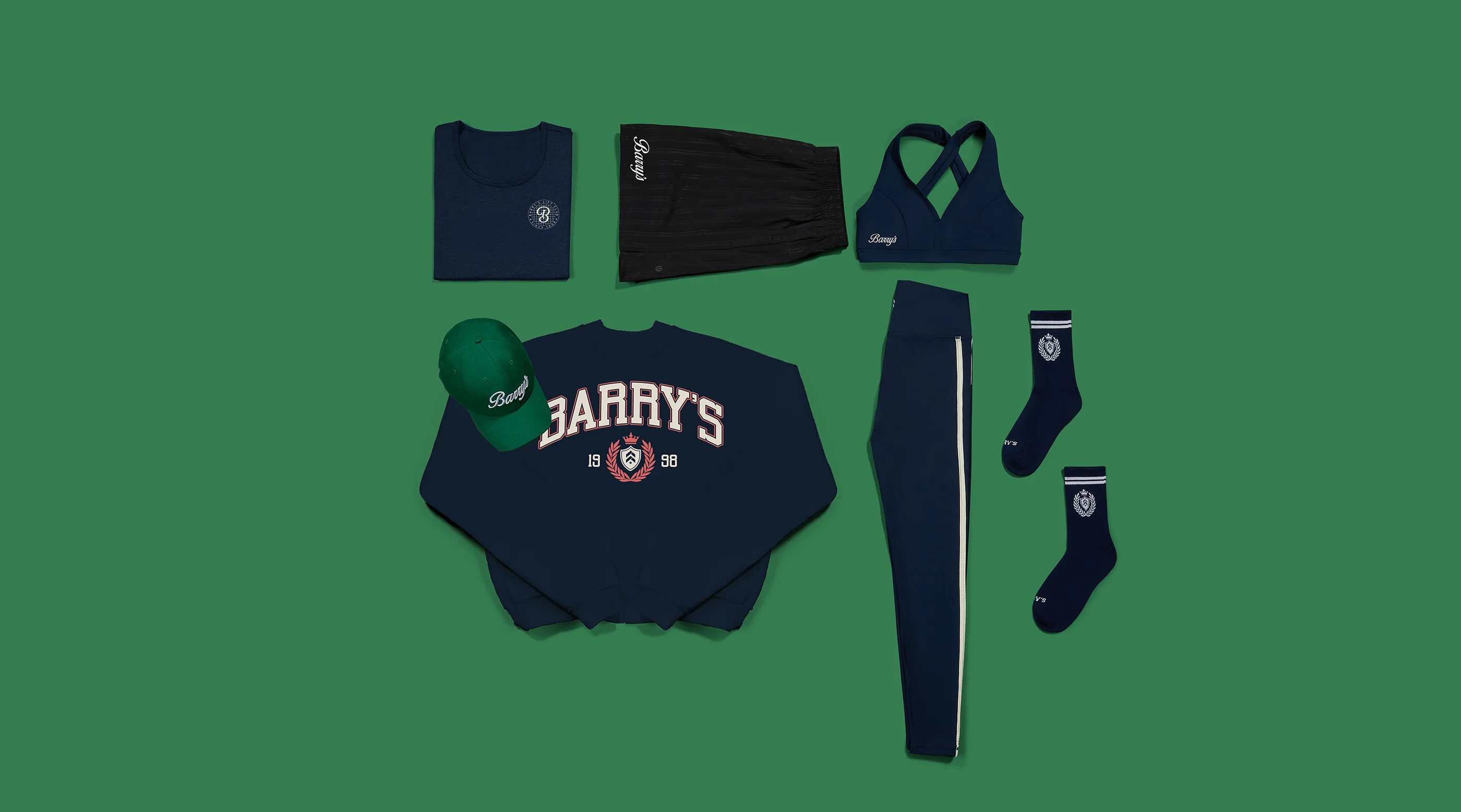
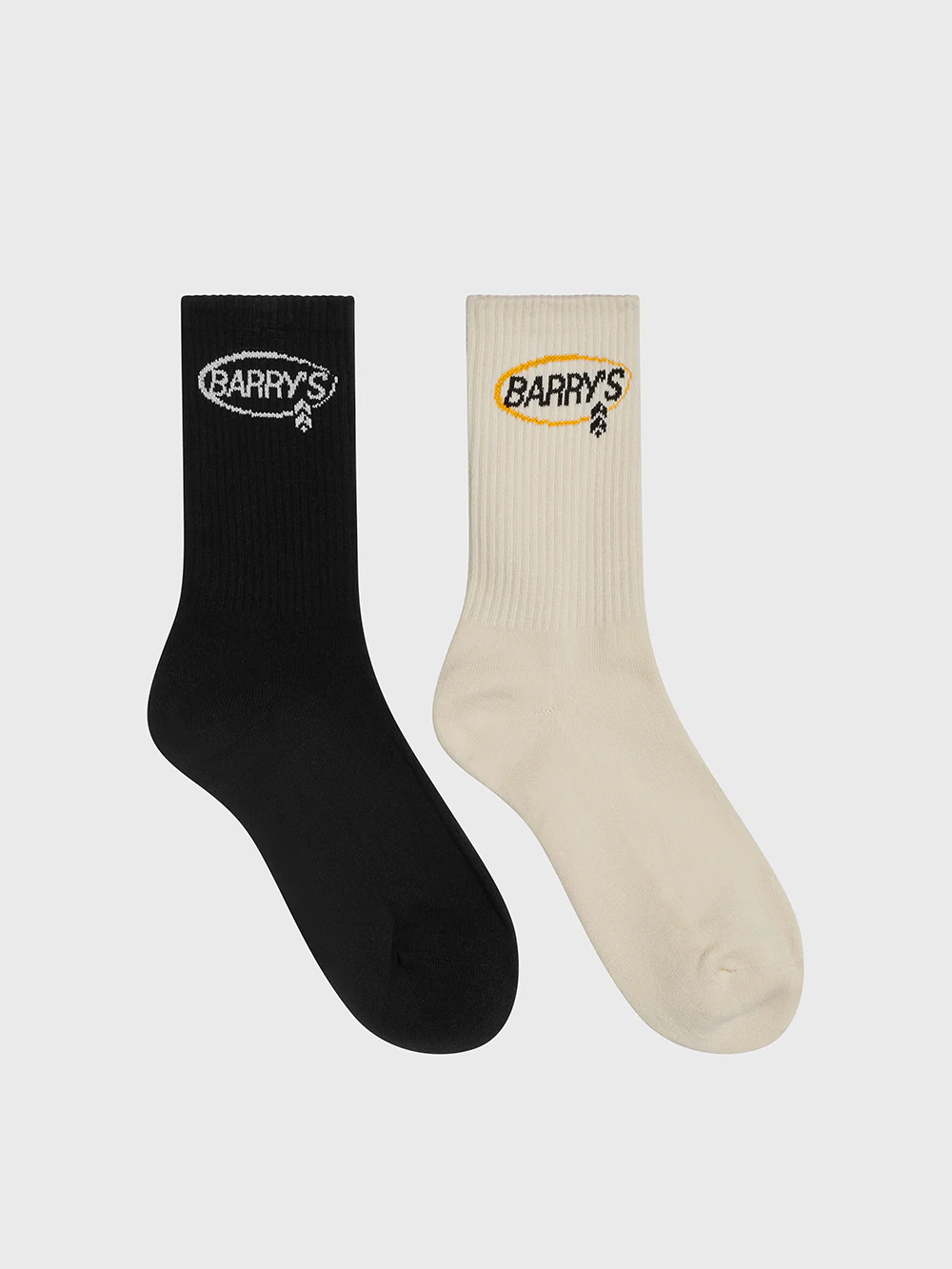
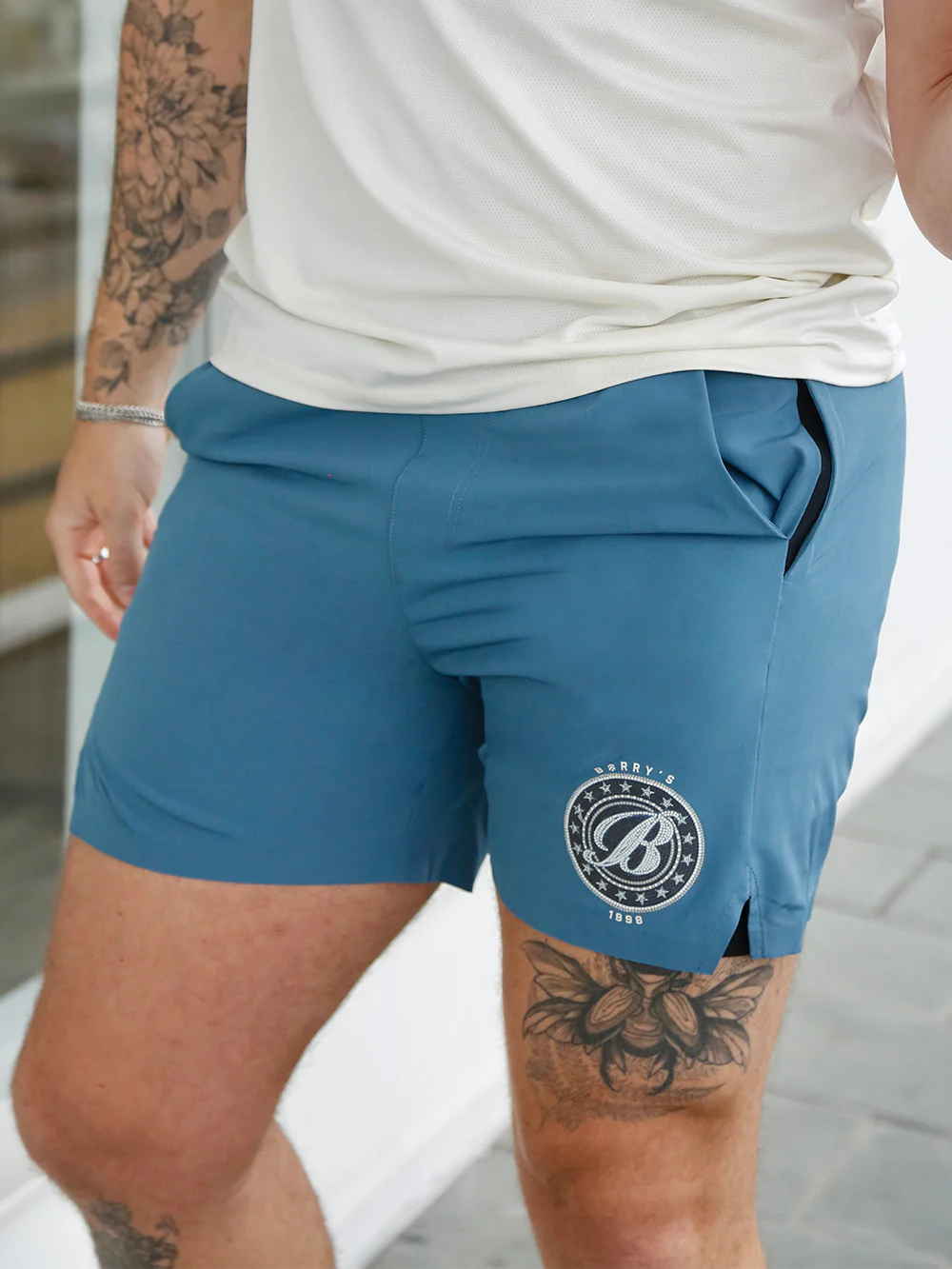
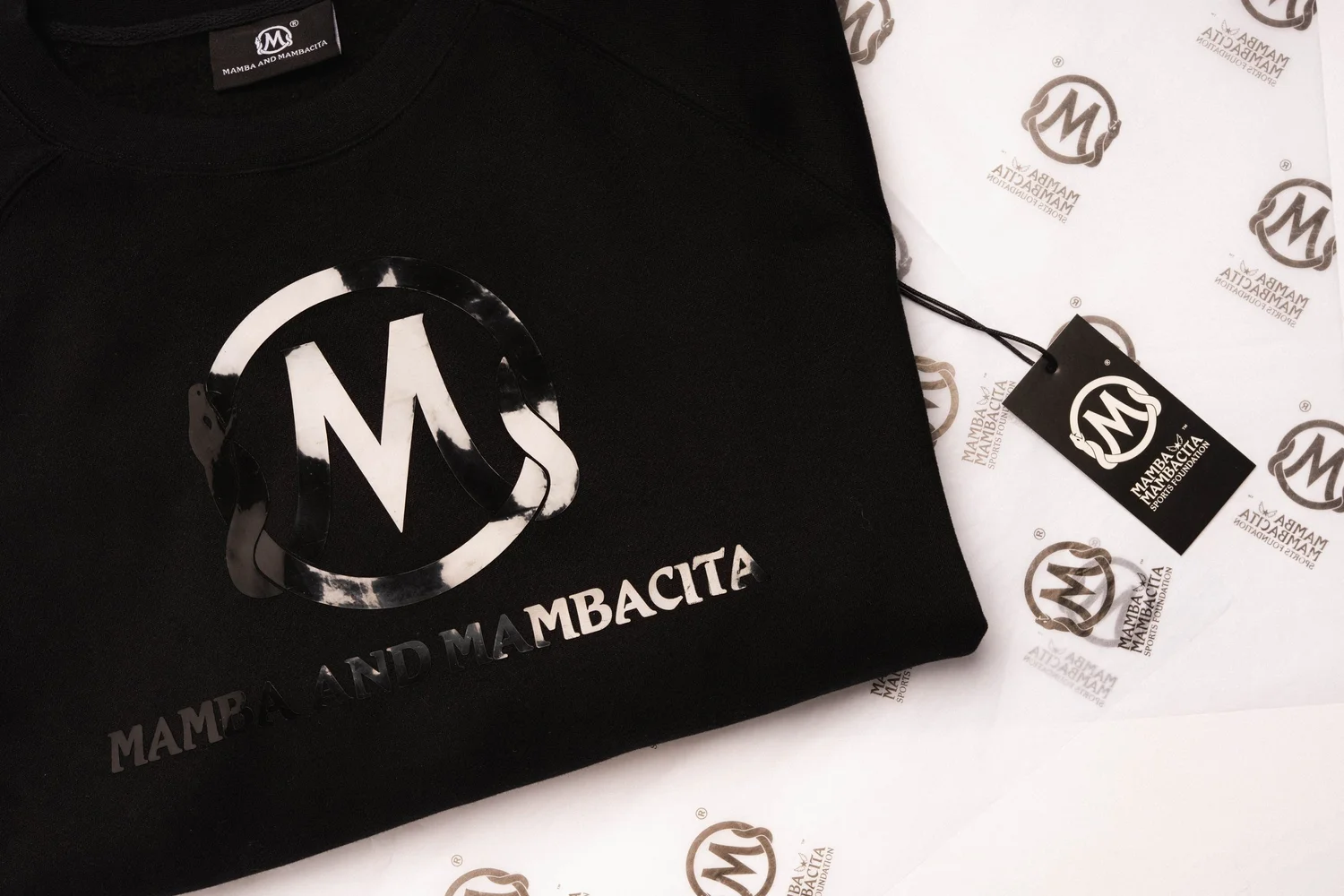
Our client work includes brands like Mailchimp, Mejuri, LayerZero, BC Hydro, Barry's Bootcamp, and Cita Foundation, along with production support connected to New York Fashion Week, IMG, and Endeavor. Our portfolio shows the range of what we've produced.
FAQs
What is cut and sew manufacturing?
Cut and sew manufacturing covers the full process of turning fabric into a finished garment, including cutting pattern pieces, sewing them together, and finishing details like trims and labels. It differs from ordering pre-made blank garments and adding a print or logo.
What's the difference between cut and sew and CMT (Cut-Make-Trim) manufacturing?
CMT means you supply the fabric and trims, and the factory only cuts, sews, and trims the garment. Cut and sew is a broader term that can include CMT or full-package production, where the manufacturer also sources materials. Inniss Pearl typically works full-package, with CMT available for brands that already have fabric relationships.
What's the minimum order quantity (MOQ) for cut and sew manufacturers?
Minimums vary by manufacturer and depend on fabric, construction complexity, and order type. Many factories set high minimums that price out smaller brands. Inniss Pearl structures orders around a range that flexes with these factors rather than one fixed number.
Are there cut and sew manufacturers with low minimums?
Yes. Some manufacturers, including Inniss Pearl, work with brands on smaller first orders, capsule collections, and market-testing runs. Low-minimum production usually costs more per unit than a large order, but it lowers the financial risk of launching a new design.
How much does it cost to make a clothing sample?
Sample costs depend on fabric, construction complexity, and how many rounds of revisions a design needs. Fashion-Incubator has a helpful independent breakdown of how these costs get calculated. We can walk you through a quote once we see your tech pack or design brief.
How long does the sample-making process take?
Timelines vary by garment complexity and revision rounds. A simple design with minor changes moves faster than a technical piece needing multiple fittings. We do not promise a fixed turnaround, since every project is different, but we will give you a realistic timeline once we review your specs.
Do I need my own patterns to work with a cut and sew manufacturer?
No. You can bring existing patterns if you have them, or work with our team to develop patterns from a tech pack, sketch, or reference garment. Either path works with our sample process.
Are there cut and sew manufacturers in Los Angeles?
Yes. Inniss Pearl has real production ties and client relationships in Los Angeles, giving brands access to the region's fabric sourcing, contractor network, and faster West Coast fittings.
What should I look for when choosing a cut and sew manufacturer?
Look for hands-on production experience, a clear sample and quality control process, transparent communication, and proof of past work. Be cautious of companies that act more like brokers than manufacturers.
How is cut and sew different from ordering blank garments and printing on them?
Ordering blanks means buying pre-made garments and decorating them with print or embroidery. Cut and sew manufacturing constructs the garment itself, covering fabric, pattern, and construction, giving you full control over fit and finish. For decoration on existing garments, our apparel printing services cover that separately.
Ready to Start Your Sample?
Send us your tech pack, sketches, or reference garment. We will walk you through next steps for sample development or production.
One founder we worked with started with a single design, a limited budget, and no idea where to begin. A first sample and an honest conversation about MOQ got that collection off the ground.
Low-MOQ brands are welcome. First collections are welcome. Scaling brands are welcome too.